Home » Yoga Blog » Chakra Blog » Root Chakra Essential Oils: 11 Grounding Scents
Root Chakra Essential Oils: 11 Grounding Scents
Root chakra essential oils can bring a familiar scent to moments when we want to feel grounded. Earthy, woody, and floral aromas offer different ways to set the mood for meditation, gentle movement, or a quiet pause.
In yogic philosophy, the seven main chakra energy centers run from the base of the spine to the crown of the head. Here, we explore the root chakra and choose oils by their scent and their place in a grounding practice.
The Names of the Seven Main Chakras.
- By: Katie Connolly
- Published:
- Reviewed: November 2, 2026
What is the Root Chakra?
The root chakra, or Muladhara in Sanskrit, is associated with the base of the spine and the color red. In the chakra system, it represents our foundation: food, shelter, safety, security, and belonging.
Working with the root chakra invites us to notice what helps us feel steady and supported. That might mean feeling our feet on the ground, making time for rest, or returning to a familiar daily ritual.
When we feel unsettled or disconnected, this framework offers a way to reflect on our needs. Rather than treating those feelings as something to force away, we can ask: What would help me feel more at home in my body today?

The Power of Root Chakra Essential Oils in Chakra Healing
Essential oils are concentrated aromatic plant extracts. In a root chakra practice, scent can remind you to slow down, notice your body, and reconnect with the ground beneath you.
Earthy and woody aromas are often chosen for this purpose, but grounding is personal. You may prefer a gentle floral scent to a deep, musky one. Start with an aroma you enjoy rather than trying to find one perfect oil for your chakra.

11 Root Chakra Essential Oils for a Grounding Practice
Essential Oils 1 to 3
- Cedarwood: A warm, woody aroma for those drawn to forest scents. Try it as a sensory reminder to settle into your seat and feel the support beneath you.
- Patchouli: Rich, earthy, and musky, patchouli has a distinctive scent. It may appeal when you want a deep aroma for a grounding ritual; if you find it too heavy, choose a lighter option below.
- Vetiver: A deep, earthy scent, sometimes called the “oil of tranquility.” Its aroma suits a quiet practice focused on the feet, legs, and contact with the ground.
Essential Oils 4 to 6
- Frankincense: A warm, resinous scent associated with spiritual practice. You might use its aroma to mark the start of meditation, giving yourself a clear transition from activity to stillness.
- Sandalwood: A rich, woody aroma often chosen for meditation. If you enjoy this scent, let it be a gentle cue to return your attention to your body whenever your mind wanders.
- Myrrh: Warm and balsamic, myrrh offers another resinous option. Compare it with frankincense and notice which aroma you would most enjoy returning to in a regular practice.
Essential Oils 7 to 9
- Cypress: Fresh and woody, cypress is an option if you enjoy forest aromas but find musky scents too heavy. Pair the scent with a simple pause to notice your feet on the floor.
- Copaiba: Copaiba comes from tree resin and has a gentle, earthy scent. It is one of my personal favorites for a grounding practice.
- Black pepper: Often overlooked, black pepper has a warm, spicy aroma. It offers a different scent profile from the woods, resins, and florals in this list.
Essential Oils 10 to 11
- Ylang-ylang: Sweet and floral, ylang-ylang offers an alternative to earthy oils. Choose it if a floral aroma feels welcoming as you settle into a quiet moment.
- Lavender: A familiar floral scent that many people associate with winding down. If you enjoy lavender, it can become a simple cue for an evening meditation or a pause at the end of the day.
How to Use Root Chakra Essential Oils for Balancing
Choose one way to bring scent into your grounding practice. You do not need all 11 oils or a complicated blend. Begin with an aroma you enjoy and follow the product instructions for your chosen method.
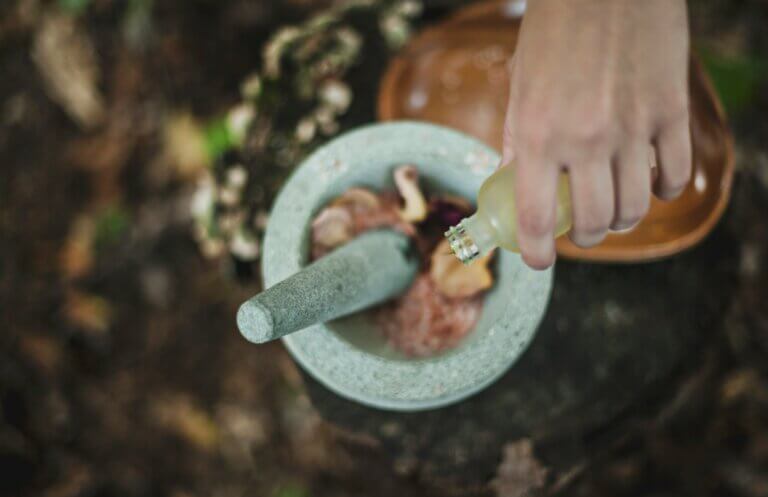
Aromatherapy
A diffuser lets you enjoy an aroma without applying oil to your skin. Follow the diffuser and oil instructions for amount and duration, allow fresh air into the room, and take breaks instead of diffusing continuously. Let the scent stay in the background while you notice your breath and the support beneath your feet.
Topical Application of root chakra essential oils
For a gentle massage, choose a product formulated for skin use or follow the specific oil’s dilution instructions with a carrier oil such as jojoba. Avoid applying undiluted essential oils directly to the skin. A ready-diluted product can be simpler than making your own blend.
Massage can be a lovely practice to wake up and reconnect with your body, or to thank your body for carrying you through the day. Focus on the experience of touch and feeling supported.
Meditation
To bring scent into your grounding meditation practice, use a diffuser as directed or a properly diluted skin product. Settle into a comfortable seat and notice where your body meets the chair or floor.
If visualization suits you, imagine a warm, red light at the base of your spine. Let your breath remain easy. When your attention wanders, return to the feeling of support beneath you; the aroma can gently remind you to come back to the present moment.
Bathing in root chakra essential oils
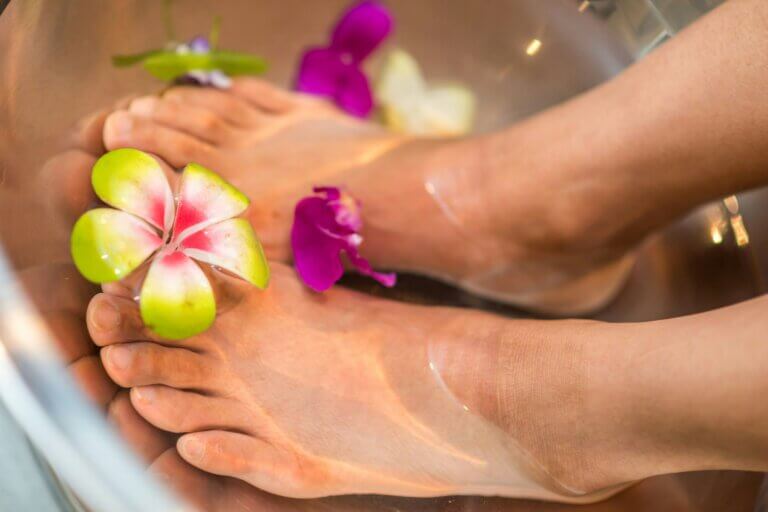
A warm bath can be a quiet time to reconnect with your body. If you want an aromatic bath, use a bath product specifically formulated with essential oils and follow its directions. Do not add neat essential oil directly to the water: oil does not dissolve in water, leaving concentrated droplets against your skin. The Tisserand Institute’s bath guidance explains why proper formulation matters.
Other Practices to Nourish Your Root Chakra
In addition to using root chakra essential oils to nourish your root chakra, consider eating more grounding, warming foods and spending more time in nature to move your body and connect with the Earth.
Repeating root chakra affirmations that support personal growth and inner strength, such as “I am worthy” or “I am safe,” can remind you that you have all you need.
You can incorporate root chakra crystals, such as hematite and red jasper, in your meditation or yoga practice to encourage greater grounding and confidence. I like to carry a crystal around with me as a reminder. Choose one that speaks to you, or leave a few throughout your home. We are energy, and by drawing on the koshas, we can nourish the root chakra in various ways.
Purchasing High-Grade Root Chakra Essential Oils
When choosing root chakra essential oils, look for clear ingredient information, sourcing details, and directions for the intended use. Check whether you are buying a pure essential oil, a blend of oils, or a ready-diluted product; these are used differently.
Consider how the plants are harvested and whether the supplier explains its quality checks. Pure does not mean suitable for undiluted skin use. For more guidance, explore the International Federation of Aromatherapists. If you have children at home or intend to use oils with children, refer to the Child Accident Prevention Foundation of Australia.
Over thirty years, I have tried and been exposed to many brands, and my absolute favorites are Fern + Petal. Their oils are pure, wild-crafted essential oils sourced from small farmers who care for the land where these plants are grown. They take care at every step to bring these oils to you, and you can tell.
Want to Learn More?
We offer a whole course on Balancing the Chakras to help you nourish your chakra system from your root to the crown chakra. To bring greater ease and flow in your life, study the Articles below:
- Root Chakra Meaning and Healing: The Complete Guide
- How to Unblock a Chakra
- The Seven Chakras and Their Meaning
For a Deeper Dive, check out Katie’s Healing Your Chakras Course.

Katie Connolly
Related Chakra Blog Articles



You Love Yoga, We Love Yoga—Let’s Stay Connected
Get yoga tips, a little inspiration, and friendly emails—because yoga is better with friends.
🔒 No spam. No selling your data. Ever.