
Yoga Business Roadmap: Business Plan for Yoga Teachers
Most Yoga teachers do not start teaching Yoga because they love business planning.
They start because they love Yoga. They love sharing the practice. They love watching students breathe a little deeper, move with more awareness, or leave class feeling better than when they arrived.
And then, at some point,
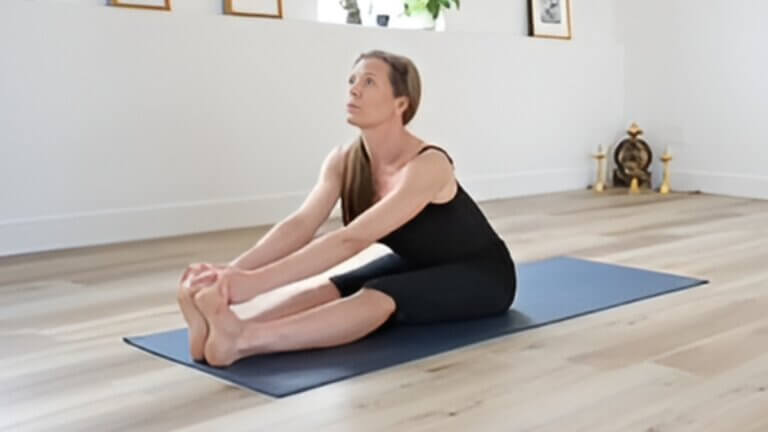
Menopause, Modification, and Yoga Practice for Life
I have always loved taking notes and being a meticulous note-taker and journal writer.
By 2022, I had upgraded to taking notes on my iPhone:
56 days no period.
78 days no period.
93 days no period.
164 days.
I reached the eight-month mark with no period.
Perimenopause and the Yoga of Listening
Thirty years after my period began, the pattern shifted yet again.
This was a big shift, but in retrospect, I had no idea how big it would be. It came on gradually, with mixed messages, confusing symptoms, and unpredictable patterns.
Everything I had learned from my periods, my body, and
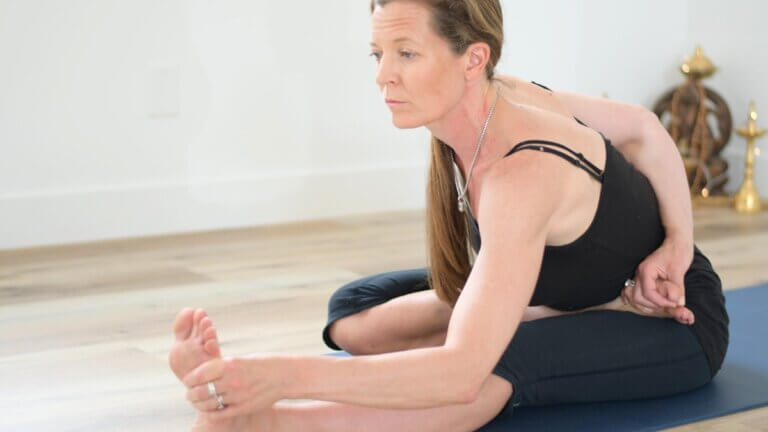
Yoga for Menopause: When Your Practice Starts to Shift
For most of my adult life, my body followed a predictable rhythm — a cycle I came to understand deeply through years of consistent yoga practice.
I’ve been practicing Ashtanga yoga for decades, and for much of that time, teaching has been a central part of my life. Practice wasn’t
Teacher as Role Model in Yoga | Influence Beyond the Mat
In earlier parts of this series, we explored the ethical foundation of teaching, the professional scope of practice, and how to hold a safe container for students.
But even when we understand those principles, another layer of responsibility emerges.
Students often look to teachers as role models. Not because teachers
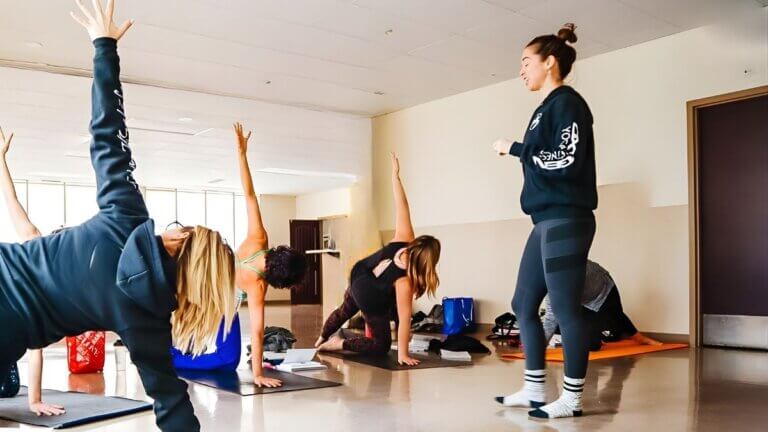
Holding Space in Yoga Teaching | Creating a Safe Container
Once that container is in place, a common question arises for many teachers:
How do we support students emotionally without becoming their therapist, counselor, or savior? What should a yoga teacher do when a student is having a strong emotional reaction?
This question shows up frequently in yoga teacher trainings.
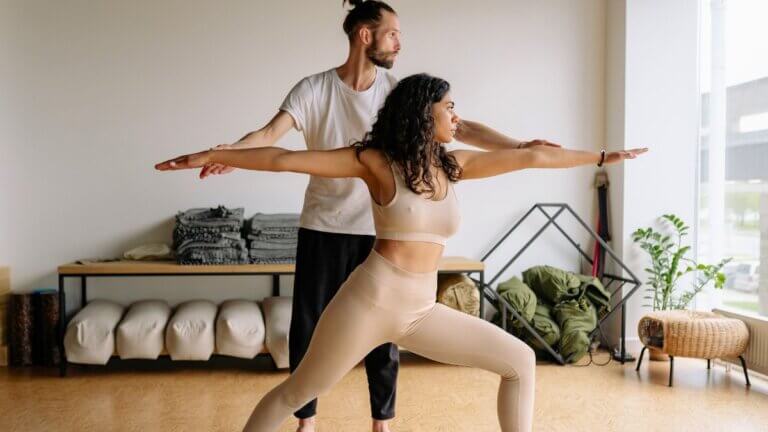
Scope of Practice for Yoga Teachers | Professional Boundaries
In the modern yoga world, the idea of professionalism can sometimes feel uncomfortable. Many teachers enter yoga through a deeply personal path of healing, spirituality, and service rather than through traditional professional structures. Yet professionalism in yoga is not about rigidity or bureaucracy. It is about responsibility — and how

The Ethics of a Yoga Teacher | Walking the Talk
Yoga reminds us that there is no final arrival. There is no moment where we are “done.” We are lifelong students — evolving, learning, unlearning, and refining. Our practice shifts because we shift. Humility is not optional on this path; it is the doorway to progress.
Walking the talk helps

How Different Yoga Archetypes Learn: Teaching for Every Student
Every yoga teacher teaches differently—and that’s not a problem to fix. It’s a strength to understand.
Your teaching archetype reflects how you naturally hold space, how your energy moves, and how you want your voice to be expressed. When you teach in alignment with that archetype, your words land more
Yoga Teacher Archetype Quiz | Discover Your Teaching Style
Every yoga teacher teaches differently—and that’s not a problem to fix. It’s a strength to understand.
Your teaching archetype reflects how you naturally hold space, how your energy moves, and how you want your voice to be expressed. When you teach in alignment with that archetype, your words land more

Yoga Teaching Archetypes | Teach with Authenticity & Confidence
Teacher training courses often focus on how and what to teach. But before we talk about technique, it’s worth pausing to ask a deeper question:
Who are you as a teacher?
Every yoga teacher carries a unique way of guiding, supporting, and inspiring students. That uniqueness isn’t something you need
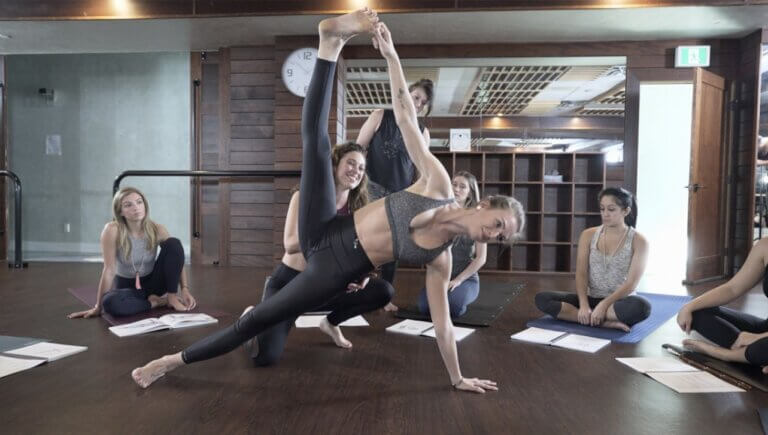
Are You Teaching All the Ways Students Learn Yoga?
Every student who walks into your class is processing your cues through a completely different nervous system, movement history, and learning preference.
Some students need to see before they understand. Others need to feel. Some need time and repetition. Others need language, rhythm, or reflection. When teaching leans heavily in
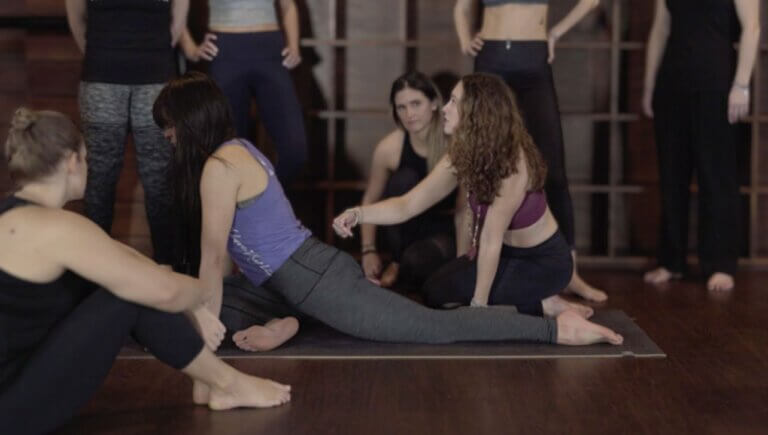
How Students Actually Learn Yoga | Teaching for Real Integration
As yoga teachers, we spend years learning how to sequence, cue, adjust, and hold space. But one of the most overlooked teaching skills is understanding how students actually learn.
Because even the most beautifully sequenced class can fall flat if it doesn’t meet students where their nervous systems, bodies, and
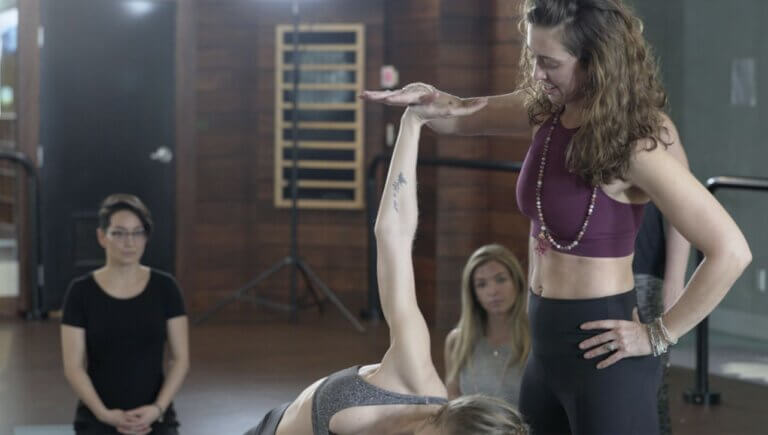
Why Yoga Students Struggle to Feel Cues | Teaching Embodied Awareness
Many yoga teachers have experienced the moment when a student simply can’t “feel” the cue — no matter how clearly it’s explained or demonstrated. This isn’t a lack of effort or intelligence. More often, it’s a matter of proprioception, nervous system readiness, and how embodied awareness actually develops over time.