Home » Yoga Blog » Yoga Instructor Blog » Teacher as Role Model in Yoga | Influence Beyond the Mat
Teacher as Role Model in Yoga — Influence Beyond the Mat
In our previous article, The Art of Holding Space — Creating a Physical & Emotional Container, we explored how to create a safe and supportive environment for your students.
But an important question naturally follows:
What are students really learning from you once that container is in place?
Many yoga teachers spend a lot of time refining their sequencing, cueing, and class planning. But as teachers gain experience, something deeper becomes clear.
Students are learning far more than the physical practice.
They are watching how we handle challenges.
They notice how we speak about others.
They observe how we respond when things go wrong.
Whether we intend to or not, we are always teaching something beyond the poses.
- By: Christina Raskin
- Published:
- Reviewed: April 23, 2026
Key Takeaways
- Students learn as much from how you behave as from what you say
- Your presence and actions influence students beyond the physical practice
- Seeing the whole student leads to more empathetic and effective teaching
- The lasting impact of a teacher is reflected in who students become, not just what they can do
Why This Matters for Yoga Teachers
In earlier parts of this series, we explored the ethical foundation of teaching, the professional scope of practice, and how to hold a safe container for students.
But even when we understand those principles, another layer of responsibility emerges.
Students often look to teachers as role models. Not because teachers claim authority, but because teaching naturally places us in a position of influence.
Think about the teachers who have influenced you the most.
Why did they leave such an impression?
Often, it wasn’t a specific cue in Triangle Pose. It was something deeper: their presence, their patience, their kindness, or the way they saw potential in you.
As Maya Angelou wrote:
“People will forget what you said, people will forget what you did, but people will never forget how you made them feel.”
This idea applies strongly to yoga teaching.
Long after students forget the details of a sequence, they remember how they felt in your class—and the transformation they experienced through your guidance.
You Are Always Teaching
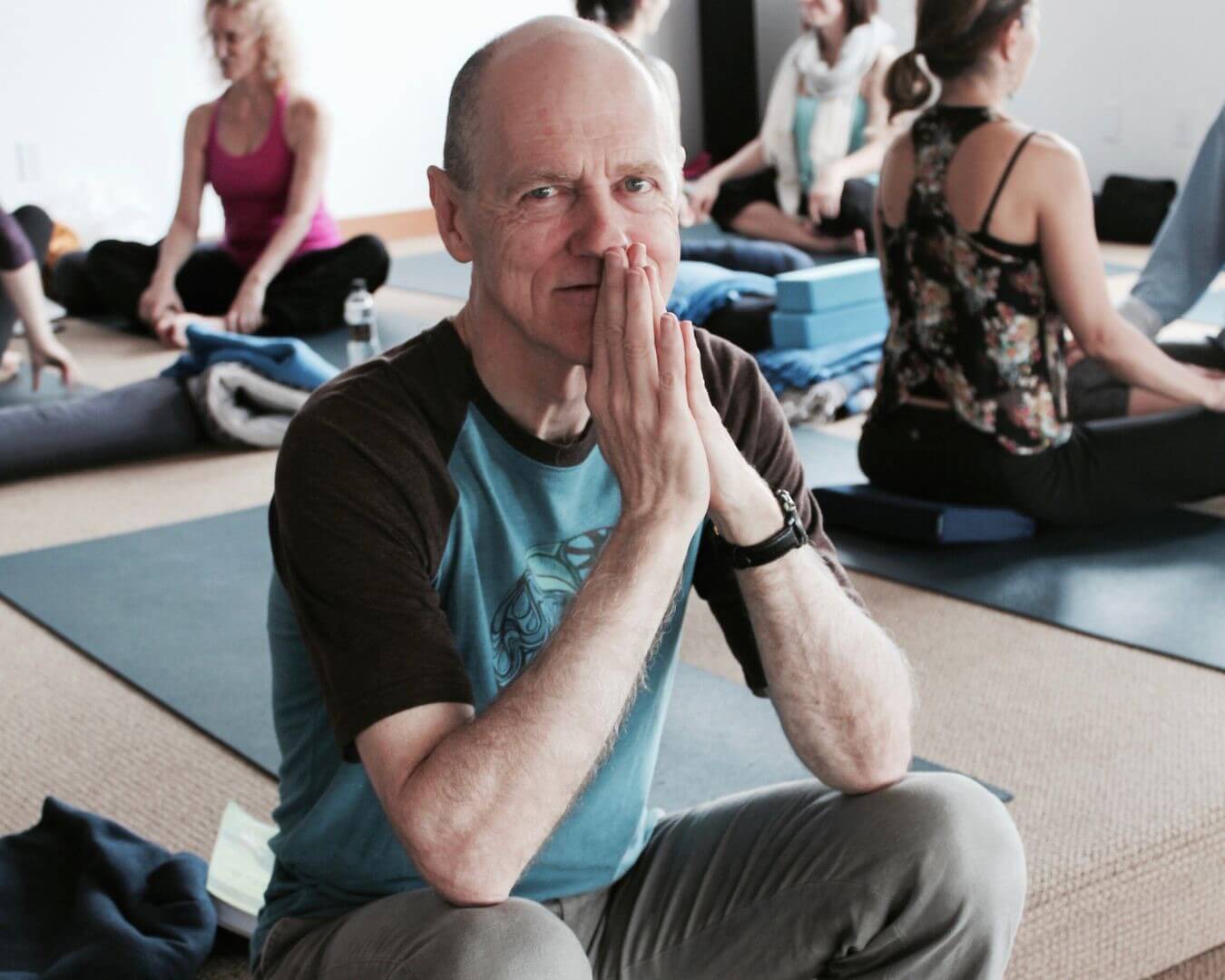
Yoga teachers teach through far more than verbal instruction.
We teach through:
- the language we choose
- the tone of our voice
- How we respond to mistakes
- How we handle difficult moments
- how we interact with others
- how we show up for ourselves
Students observe these things closely—both consciously and unconsciously.
For example:
If something goes wrong in class, do you rush and panic?
Or do you pause, breathe, and adjust calmly?
When a student asks a question, do you become defensive?
Or curious?
When speaking about other teachers or traditions, do you show respect?
In other words: Do you practice what you teach?
These small moments quietly model behavior.
Stepping into the role of teacher comes with responsibility:
- accountability for our actions
- awareness of our influence
- recognition that we are all connected and equal
- a willingness to keep learning
This isn’t about being perfect.
It’s about continuing to practice yoga to the best of our ability, reflecting honestly, staying aligned with our ethics, and offering ourselves grace when we make mistakes.
Growth on the yoga path is often subtle and invisible. It may look like:
- Becoming more patient
- responding with more kindness
- remaining steady when others are agitated
- staying humble
- being honest
Students don’t learn these qualities from lectures.
They learn them by watching teachers embody them.
Seeing the Whole Student
Another way teachers influence students is through how they see them.
It’s easy to focus only on alignment or how a pose looks.
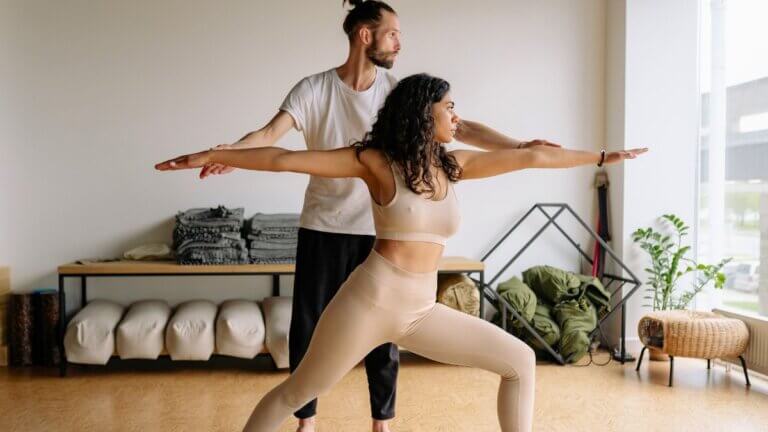
For example, a teacher might notice a slight bend in the front leg in Warrior II and immediately cue the student to bend deeper. This centers the teacher’s idea of what is “right,” rather than the student’s experience.
Instead, step back and take in the bigger picture.
Ask yourself:
- What is the student’s energy today?
- What is their facial expression telling me?
- Are they tense or fatigued?
Every student arrives with a life outside the studio—work stress, family responsibilities, loss, celebration.
When teachers remember this, they are less likely to treat students as problems to fix.
Instead, they begin to see whole human beings.
Two simple ways to center the student:
Student check-in
Invite awareness and choice.
For example: “How does this pose feel in your body? If you can breathe comfortably and feel stable, you might explore bending the front knee a bit more.”
Recognize the wins
Acknowledge what is working before offering refinement.
For example: “Great stability in your back leg. Now you might explore bending the front knee a little more.”
Yoga Practice Builds Character
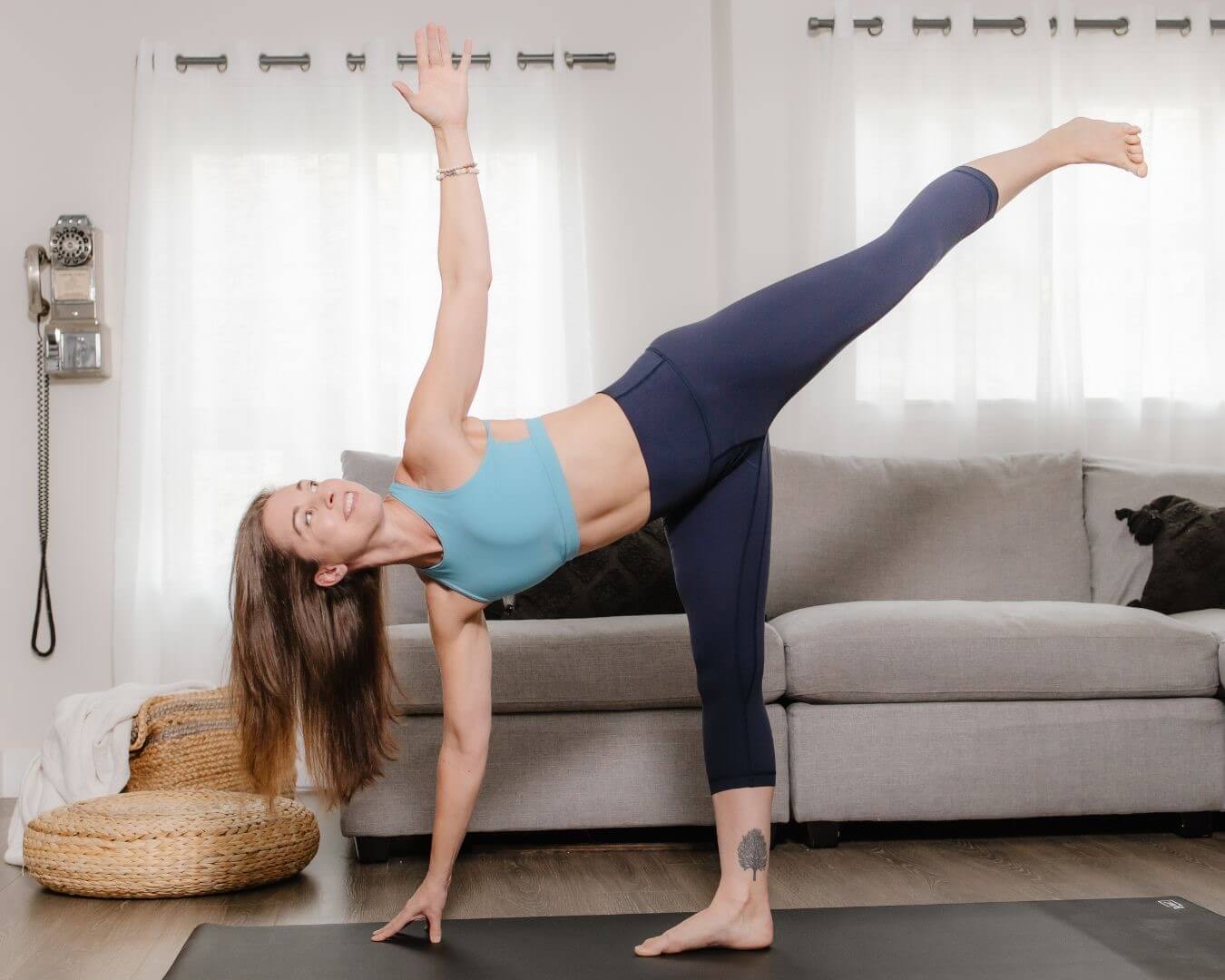
Yoga isn’t only about physical postures—it’s also a training ground for character.
For teachers especially, practice extends far beyond the mat. The way we think, speak, and act shapes the kind of teacher—and person—we become.
Our role isn’t to impose beliefs or ideals on students.
Our responsibility is to embody the practice ourselves.
When we “walk the talk,” our presence becomes a form of teaching.
Students don’t just learn from what we say—they learn from how we show up.
In the Yoga Sutras, practice is described as an effort toward steadiness of mind.
Through consistent practice:
- actions become habits
- Habits shape character
- character influences the direction of our lives
In this way, yoga becomes more than something we do.
It becomes a way we live.
And the character we cultivate becomes one of the most powerful teachings we offer.
The Legacy of a Yoga Teacher
A teacher’s real legacy is rarely the poses their students master.
Instead, it’s reflected in the qualities students develop:
- steadiness during stress
- patience with personal growth
- compassion toward themselves and others
- courage to keep learning
- the ability to self-reflect
The influence of a yoga teacher extends far beyond a single class.
When teaching focuses on people rather than perfecting postures, the impact ripples outward into everyday life.
A student who learns self-regulation on the mat may be more patient as a parent.
One who practices non-attachment may navigate workplace challenges with greater ease.
Another who builds resilience may meet life with steadiness.
This is the deeper responsibility of teaching.
We are not only guiding movement—we are shaping experiences that students carry with them.
And as Maya Angelou reminds us, what people remember most is how we made them feel.
When we teach with presence, integrity, and care, that feeling becomes part of the practice students take into their lives beyond the mat.
Teaching as a Practice of Integrity
If you’re ready to refine not just what you teach—but how you show up as a teacher—this is exactly the work we focus on inside our advanced training.
Our 300-Hour Advanced Yoga Teacher Training is designed to help you deepen your teaching, expand your awareness, and lead with confidence and integrity in every class you teach.
Closing the Series
In this series, we explored four essential layers of ethical yoga teaching:
Part 1: The Ethics of a Yoga Teacher — Walking the Talk
Part 2: Scope of Practice — The Professional Container
Part 3: The Art of Holding Space — Creating a Physical & Emotional Container
Part 4: Teacher as Role Model — Influence Beyond the Mat

Christina Raskin
You Love Yoga, We Love Yoga—Let’s Stay Connected
Get yoga tips, a little inspiration, and friendly emails—because yoga is better with friends.
🔒 No spam. No selling your data. Ever.