Yoga for Disability: Chair Yoga for Accessible Strength, Balance & Ease
Yoga is for every body — and chair yoga makes that truth real. Whether you’re living with limited mobility, recovering from injury, or supporting someone with a disability, this gentle, accessible, and adaptive yoga style brings movement, breath, and connection back within reach.
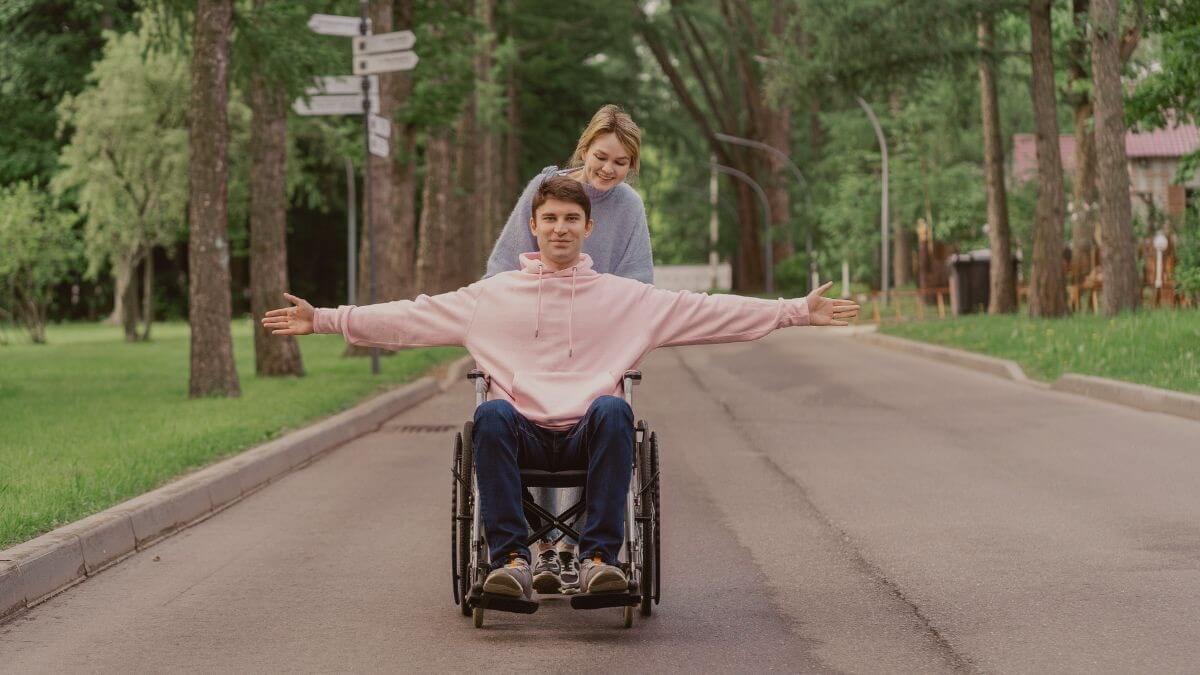
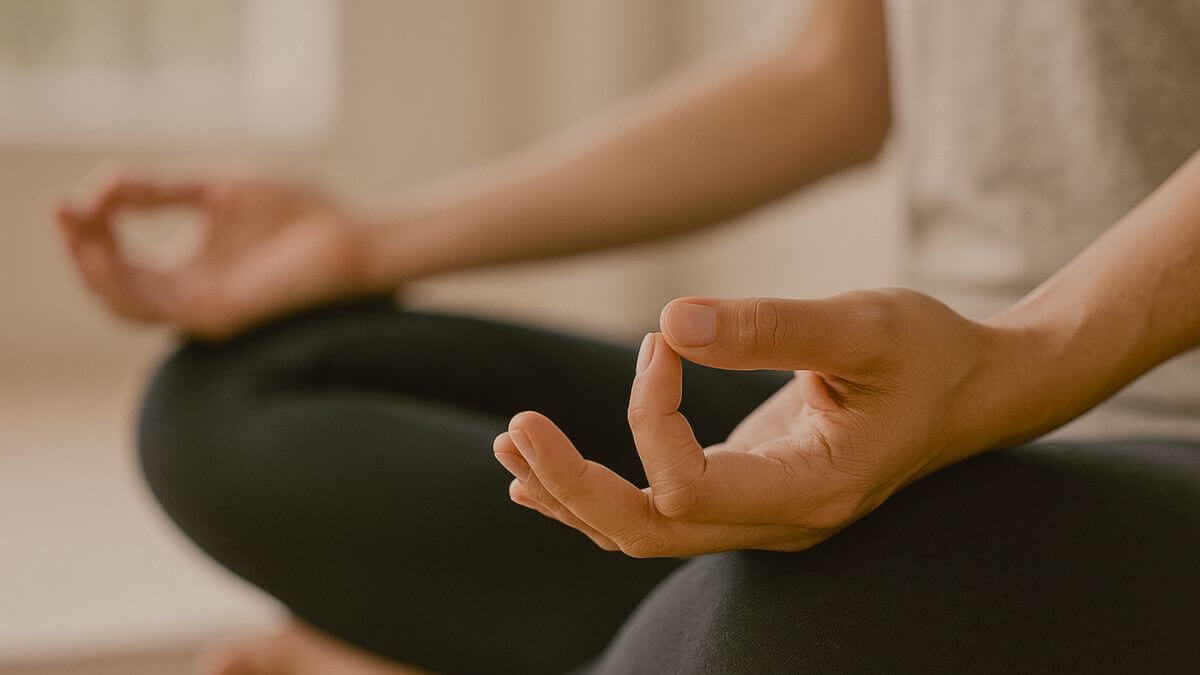
Yoga for every body — finding movement and ease through supported, accessible practice.
Why Accessible Yoga and Chair Yoga Matter
Adaptive yoga is more than a set of modifications — it’s a mindset of inclusion. Chair yoga meets the body where it is. We use props like sturdy chairs, straps, bolsters, and walls to build stability and confidence while honoring individual range of motion.
As I remind my students and teachers-in-training: the goal isn’t a perfect pose. It’s finding your version of the pose — one that feels safe, supported, and empowering.
Many students I’ve met over the years have said, “I didn’t think yoga was for me until I tried it in a chair.” That realization is what keeps me passionate about this work. Chair yoga removes barriers — it lets us feel strong, capable, and connected no matter our circumstances. Whether you’re practicing at home, in a rehabilitation setting, or teaching others, accessible yoga proves that movement and mindfulness are always within reach.
Getting Started Safely with Chair Yoga for Disabilities
Before beginning any new practice, consult your healthcare provider or care team. Then gather a few essentials:
A stable, non-rolling chair without arms.
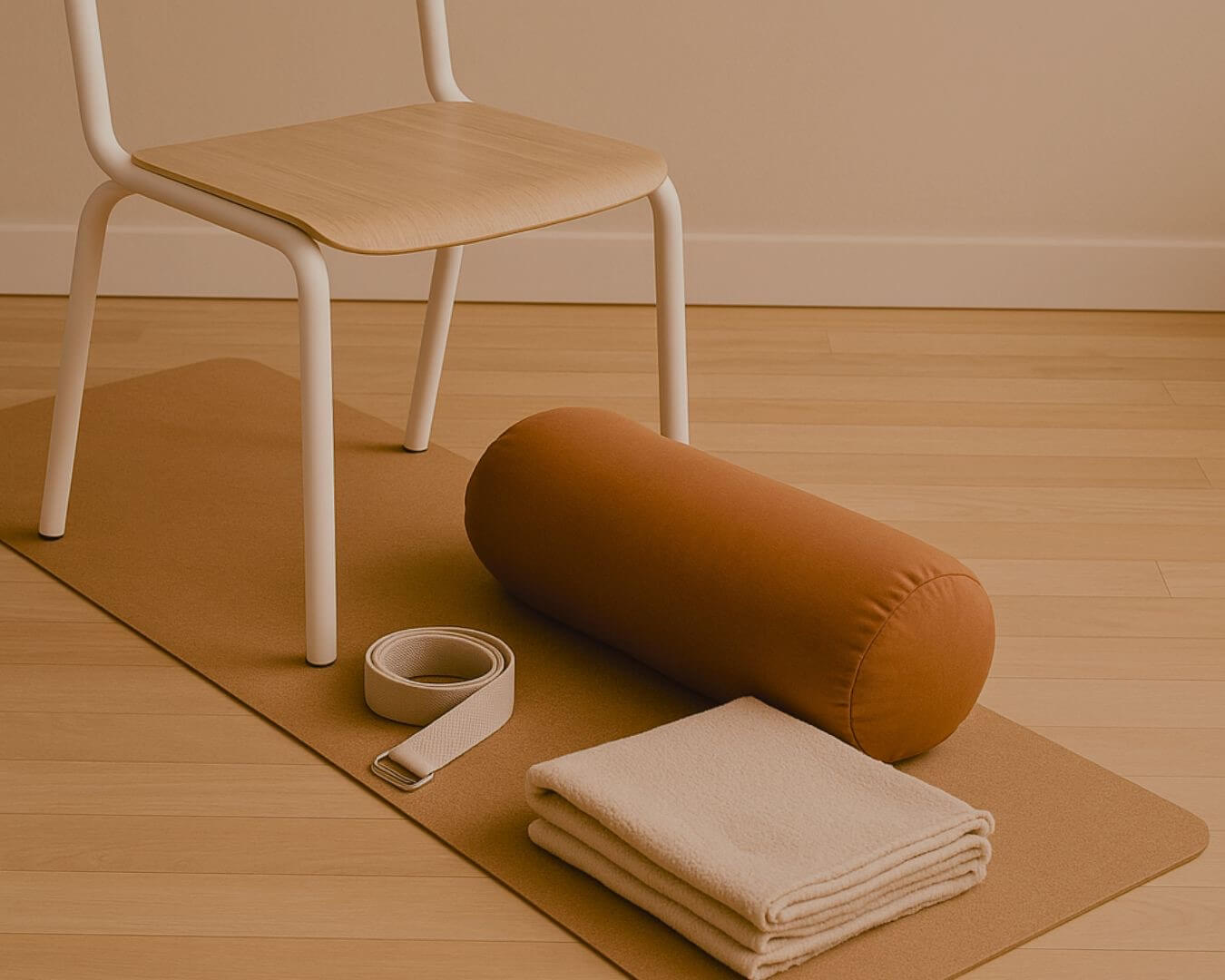
Props: yoga strap or belt, blocks, bolster, or folded blanket.
Support: wall or sturdy surface nearby.
Environment: quiet, comfortable, and distraction-free.
Once you have your space set up, take a few deep breaths before pressing play. This short seated sequence below is designed to meet you where you are — no flexibility required. Follow along at your own pace, and pause whenever you need.
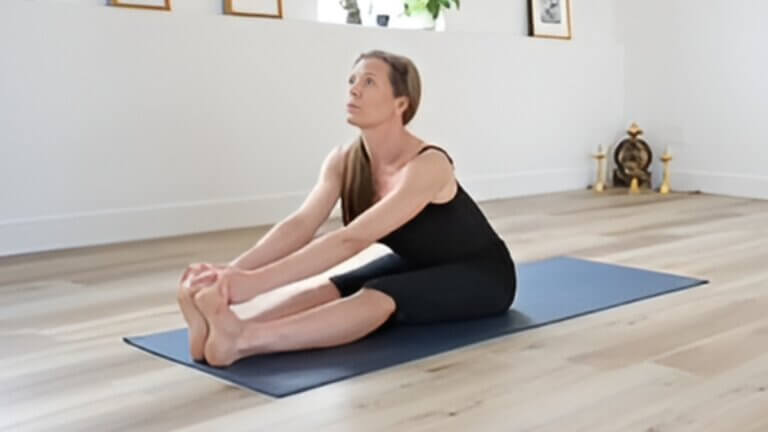
Simple props make yoga accessible — a sturdy chair, a strap, and a little creativity.
Seated Practice Video
Watch: Gentle Chair Yoga for Beginners & Seniors — a full seated practice to follow at home.
Yoga for Disability: Chair Yoga Adaptations & Seated Poses
Here are a few foundational movements to start exploring accessible yoga in a chair or wheelchair.
1. Seated Mountain Pose (Tadasana)
Feet grounded, spine tall, hands resting on thighs. Breathe steadily and feel your alignment.
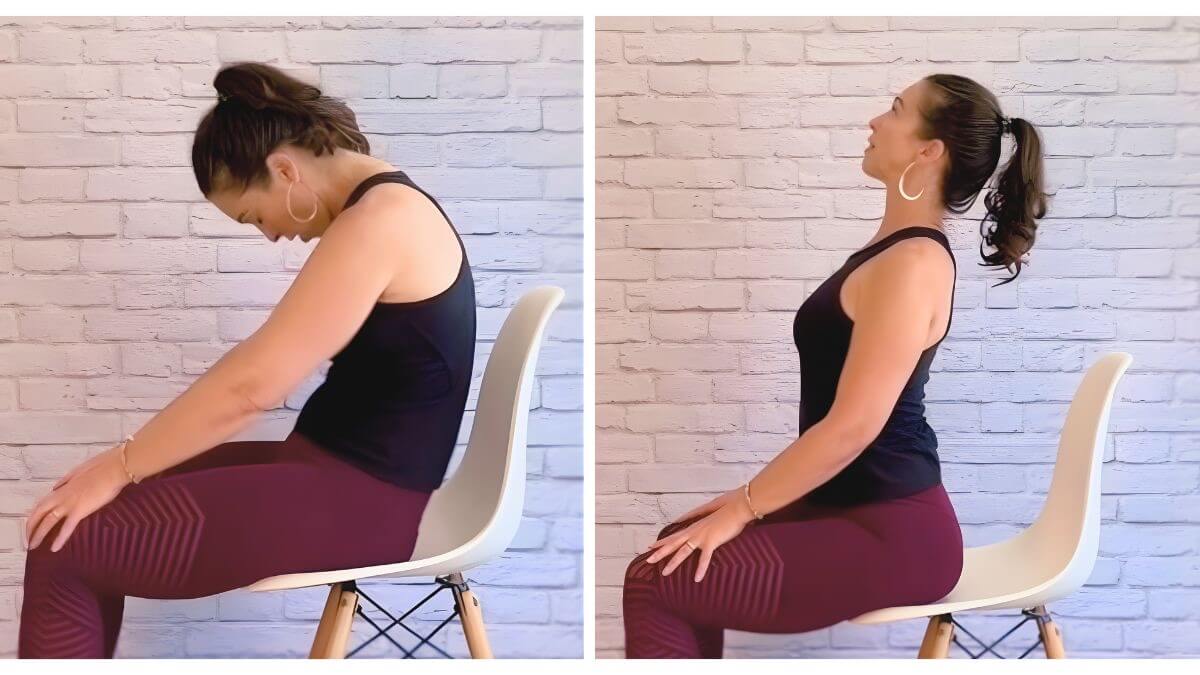
2. Seated Cat–Cow
Hold the sides of the chair. Inhale to lift the chest; exhale to round the back.
Christina Raskin demonstrating Chair Cat-Cow — a gentle way to mobilize the spine while seated.
Flow Video
Watch: Chair Yoga Flow: Twist Deeper & Find Your Balance! — gentle spinal mobility from your chair.
3. Seated Warrior II (Virabhadrasana II)
Turn slightly sideways; extend arms shoulder-height. Strengthens legs and torso.
4. Supported Tree Pose (Vrksasana)
Stand beside the chair, one hand on the backrest for support, foot to calf or ankle.
Balance Video
Watch: Master Tree Pose — learn balance with the support of your chair.
5. Hand & Grip Strength Practice
Seated or standing, spread fingers wide, then gently make fists. Repeat several rounds.
These chair yoga movements can be adapted in endless ways. Some students choose to stay fully seated, while others explore standing options with support. The key is consistency: even five minutes a day builds strength and confidence. You can pair the movements with slow breathing or gentle music to make it feel like a complete practice. Over time, you’ll notice improved posture, easier breathing, and a deeper sense of calm throughout the day.
Upper-Body Mobility Video
Watch: Chair Yoga for Hand Strength — easy exercises to improve mobility and circulation.
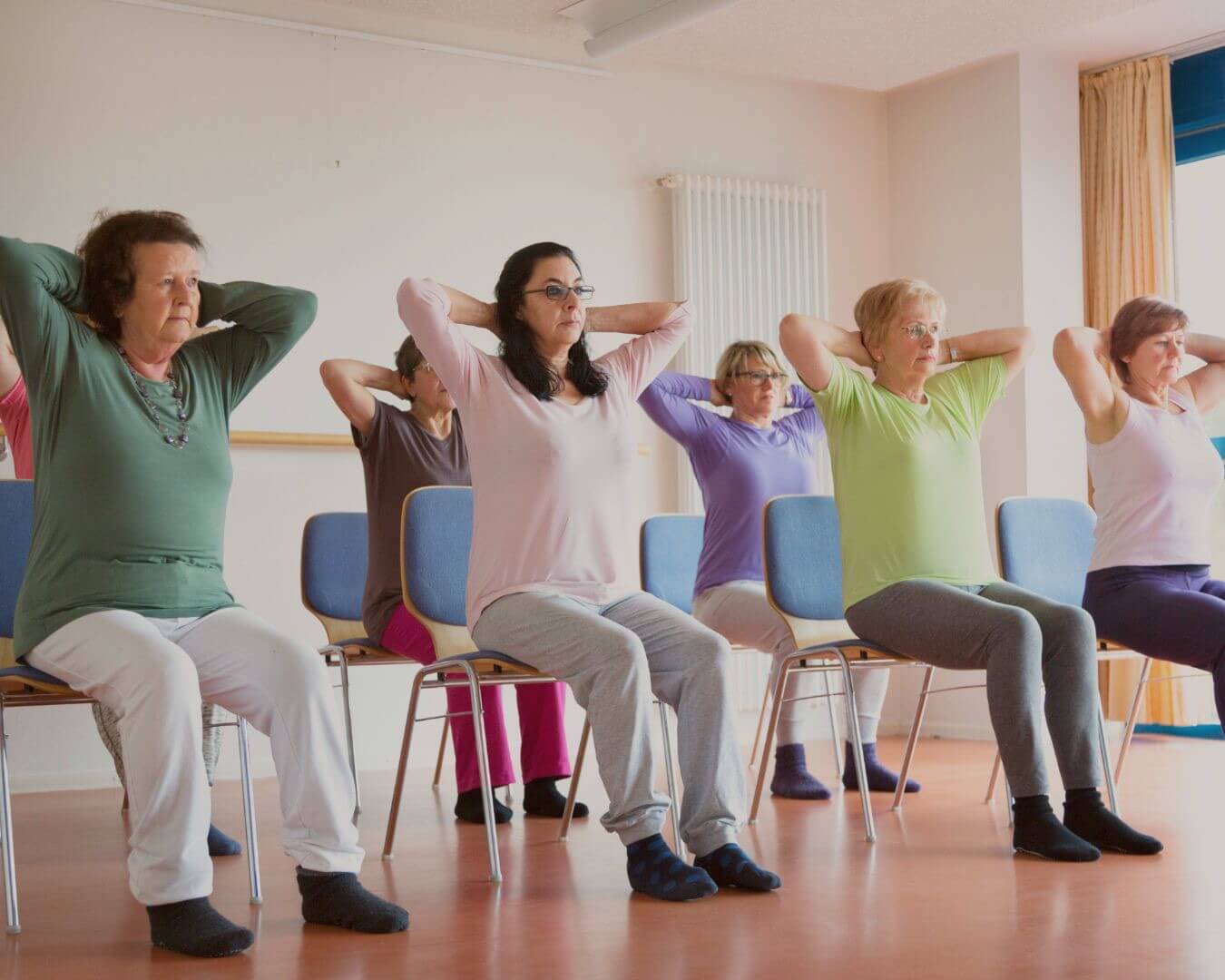
Each of these movements invites strength, coordination, and calm without strain.
Benefits of Chair Yoga for People with Disabilities
Research consistently shows yoga can enhance quality of life for people with disabilities:
Improved balance and flexibility (studies on cerebral palsy and MS).
Reduced anxiety and muscle tension.
Greater confidence and body awareness.
Enhanced community connection and mood.
It’s not just about stretching — it’s about belonging and moving with compassion.
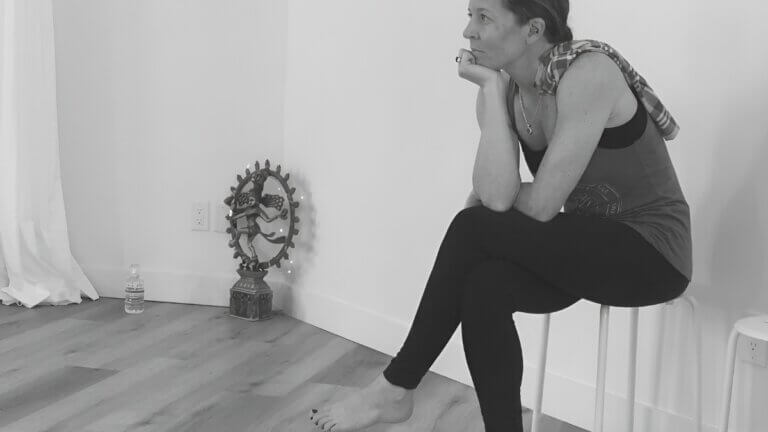
Chair yoga builds strength, confidence, and connection in every body.
Energetic Aspects of Chair Yoga for Disability (Breath & Chakras)
Chair yoga gently harmonizes the Root Chakra (safety, stability) and Heart Chakra (connection, openness).
End each session with slow, even breaths — inhale four counts, exhale four counts — to calm your nervous system.
If you’re new to yoga, remember there’s no single “right” way to practice. Accessible yoga is about listening to your body and honoring what feels supportive. Teachers trained in chair yoga understand how to offer safe modifications and clear guidance. Learning with them can make all the difference — both for your confidence and for discovering how empowering yoga can be.
How to Find Accessible Classes & Resources for Yoga for Disability
Online classes: Search for “Chair Yoga with Christina Raskin” on YouTube for free adaptive Yoga tutorials for people with disabilities.
Professional training: If you’re a teacher or therapist, our Chair Yoga Certification Online dives deeper into adaptive sequencing and student support.
Community resources such as NCHPAD, Accessible Yoga, and local rehab centers often host inclusive Yoga programs for people with disabilities.
Healthstin’s Adaptive Yoga for Disabilitiesis another helpful resource for exploring how adaptive Yoga can support mobility, flexibility, and overall well-being for people with disabilities.
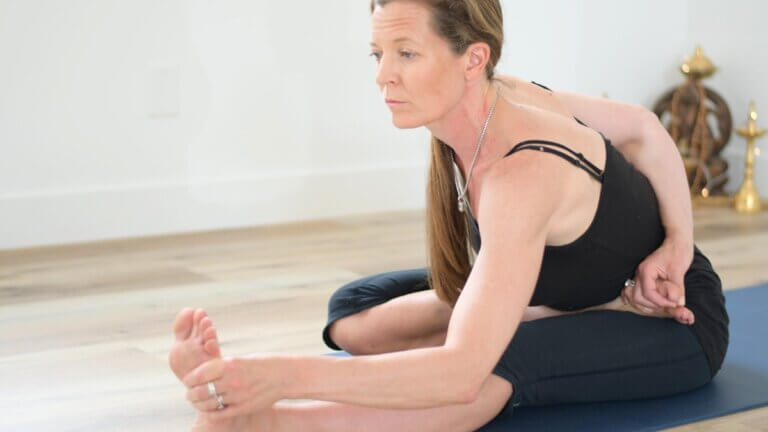
Each breath invites grounding and peace — wherever you are in your practice.
FAQ: Chair Yoga and Yoga for Disability
Is Chair Yoga Safe for People with Disabilities?
Yes, when guided mindfully and adapted for your needs. Start seated or supported and move within comfort.
Can I Practice Chair Yoga or Seated Yoga from a Wheelchair?
Absolutely. Seated poses and breathing work are powerful and effective.
Do I Need Props for Accessible or Chair Yoga?
A sturdy chair, strap, and wall space are often enough to begin safely.
What Are the Benefits of Yoga for Disability and Seated Yoga?
Improved strength, flexibility, circulation, mental focus, and emotional well-being.
How Can Yoga Teachers Learn to Teach Chair Yoga and Accessible Classes?
Through specialized programs like our Chair Yoga Certification Online, which trains teachers to serve students of every ability level.
Final Thoughts on Accessible and Chair Yoga for Disabilty Practice
Chair yoga continues to grow as one of the most inclusive forms of yoga worldwide. Every gentle movement and mindful breath reminds us that strength and stillness belong to everyone.
Accessible yoga is about seeing ability, not limitation. Every time you show up — whether in a chair, standing with support, or lying down — you practice resilience and self-respect.