Functional Anatomy for Yoga Teachers Online
Dive deep with Bernie Clark into how the body actually moves — so you can teach smarter.
Home » Functional Anatomy for Yoga Teachers Online Course with Bernie Clark
Course Overview
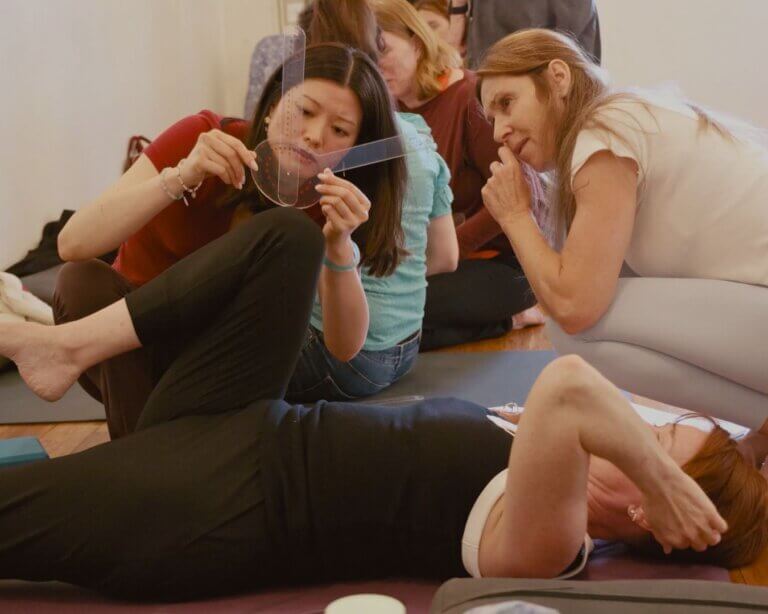
Functional Anatomy for Yoga Teachers online training with Bernie Clark guides you through a practical exploration of structure, variation, and biomechanics — showing how these principles apply directly to teaching and practice. Designed as an Anatomy for Yoga Teachers continuing education program, this Yoga Anatomy Course combines theory with embodied experience so you can teach with clarity, adaptability, and confidence.
What You’ll Learn in This Functional Yoga Anatomy Training
- Functional vs aesthetic approaches to movement and posture
- Tension, compression, and the boundaries of the range of motion
- The difference between flexibility and mobility
- The influence of fascia, proportion, and asymmetry in practice
- How to assess individual variation with curiosity and safety
- Practical, experiential anatomy training you can immediately apply in yoga or fitness class

Functional Anatomy Course Curriculum
- Section 1: Physiology
Learn how the body adapts to movement through the study of tension, compression, fascia, and muscle physiology — the foundation of functional anatomy for yoga teachers and an essential part of every yoga anatomy course. - Section 2: The Lower Body
Explore the structure and movement of the hips, knees, and ankles to understand how individual variation shapes alignment and mobility in functional yoga anatomy training. - Section 3: The Axial Body
Examine the spine, sacrum, and breath mechanics to see how yoga anatomy for teachers connects stability, mobility, and safe spinal movement. - Section 4: The Upper Body
Study the shoulders, elbows, and wrists to understand functional movement, safe load-bearing, and strength patterns in asana practice. - Section 5: Asymmetries & Proportions
Recognize how personal proportions and asymmetries affect alignment, range of motion, and teaching approaches in functional anatomy for yoga teachers..
Functional Anatomy for Yoga Teachers — Course Format & Details
- Total Hours: 30 (25 Hours Video Content + 5 hours self-study)
- Certification Credits: 30 Yoga Alliance Continuing Education (YACEP®) hours
- Format: 100 % online, self-paced learning
- Price: $ 595 USD
- Access: Lifetime access to all course materials
- 30 Asana at Home 300 Hour Yoga Teacher Training Hours
Who This Yoga Anatomy Training Course Is For
- Yoga teachers wanting a deeper grasp of functional anatomy in practice
- Yin and Hatha instructors exploring functional movement
- Pilates, dance, and movement professionals interested in human variation
- Dedicated students seeking to move safely and authentically
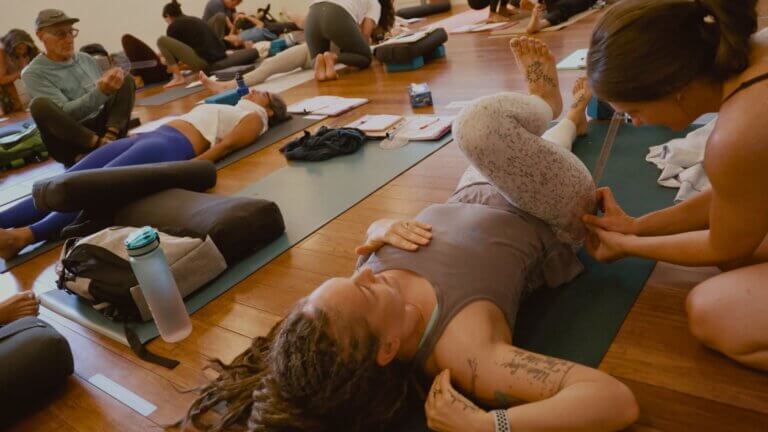
Why You’ll Love to Study Functional Anatomy for Yoga Teachers
- Learn what actually works in bodies — move beyond aesthetics to a functional, evidence-informed approach.
- Apply it immediately — practical tests and teaching cues you can use right away.
- Understand tension vs compression — know when to extend range and when to accept natural limits.
- Teach safely and inclusively — recognize variation and hypermobility across students.
- Gain confidence with tricky joints — hips, spine, shoulders, and more.
- Study with Bernie Clark — one of yoga’s most respected yoga anatomy educators.
- Earn 30 YACEP hours with lifetime access to all Functional Anatomy for Yoga Teachers materials.
What’s Included in Functional Anatomy for Yoga Teachers Course
- Comprehensive online training with Bernie Clark
- Downloadable study materials and reading guides
- Practical movement demonstrations and functional anatomy visuals
- Reflection and self-assessment assignments
- Certificate of Completion for Yoga Alliance YACEP hours
- Lifetime access to course content and future updates
- Required reading sold separately: Your Body, Your Yoga, Your Spine, Your Yoga, and Your Upper Body, Your Yoga by Bernie Clark
Total course length: 30 hours, including video lessons and self-study components
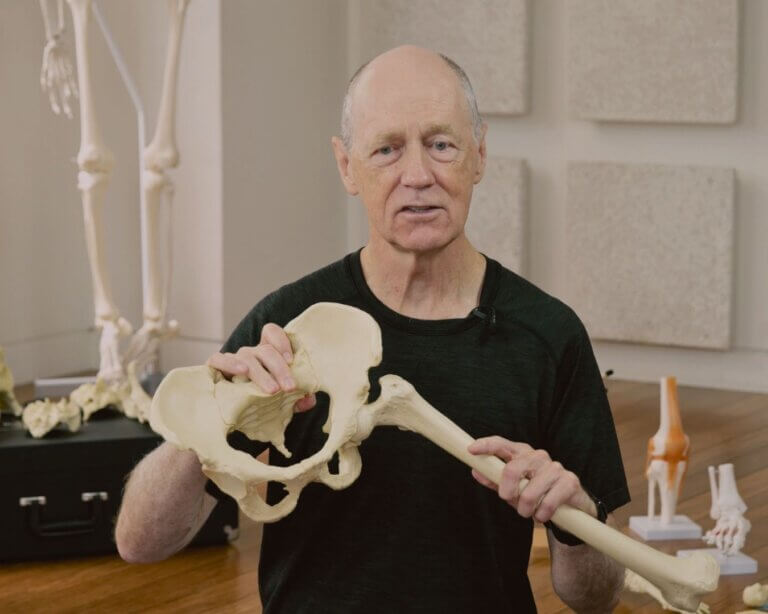
Learn Functional Anatomy Online with Bernie Clark
“I’ve spent more than three decades exploring how anatomy, physiology, and yoga interconnect. My goal isn’t to tell you what’s right or wrong, but to help you see what’s true in your own body and your students’ bodies. This functional approach to anatomy brings clarity, curiosity, and compassion to every class.“
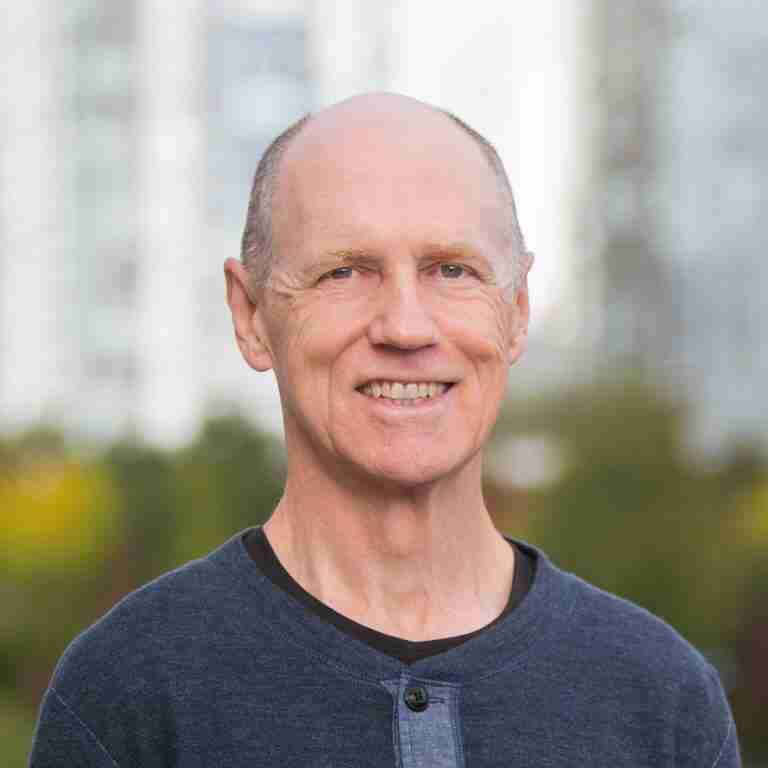
Learn More About Bernie Clark — E-RYT 500, YACEP
FAQ: Functional Anatomy for Yoga Teachers
Is this Functional Anatomy course Yoga Alliance certified?
Yes. This yoga anatomy training qualifies for Yoga Alliance Continuing Education (YACEP) hours.
Will there be live sessions?
No. The core content are video recordings and is self-paced. Students can send questions to the teacher via email.
Do I need Bernie’s books?
Yes — the trilogy (Your Body, Your Spine, Your Upper Body, Your Yoga) is required for study and purchased separately.
Any other Questions?
Answers to Many General Questions can be found on the Asana at Home FAQ.
If the answer is not in the FAQ, please Contact Us.
What Students are Saying
“I’ve done hundreds of hours of teacher trainings, but nothing explained anatomy like this. The way Bernie presents it helped it finally stick — I can now bring functional anatomy into my community with confidence.” Brandi – Yoga Teacher
“As teachers, we rarely get to be students. This course fed my soul — it reconnected me with colleagues and reminded me that I’m part of a global movement shifting yoga from aesthetic to functional.” Tracy – Yoga Teacher
“Anatomy has never been my strong suit, but this training made it compassionate, inclusive, and trauma-informed. I may not remember every science detail, but I’ve absorbed the spirit of Bernie’s teaching.” Irene – Yoga Teacher
“I thought I understood anatomy, but this course changed how I see movement and variation. It was humbling and freeing — I finally understand why some poses feel different in my body.” Christie – Yoga Teacher
Related Trainings


You Love Yoga, We Love Yoga—Let’s Stay Connected
Get yoga tips, a little inspiration, and friendly emails—because yoga is better with friends.
🔒 No spam. No selling your data. Ever.