Home » Yoga Blog » Yoga Poses » Butterfly Yoga Pose (Baddha Konasana): Steps & Benefits
Butterfly Yoga Pose (Baddha Konasana): Benefits, Steps & Variations
Butterfly Yoga Pose (Baddha Konasana in Sanskrit), also called Cobbler’s Pose, is a hip-opening fold where the soles of the feet touch and the knees fall wide. Practiced in Yin Yoga for minutes, the butterfly pose benefits include stretching inner thighs (adductors), easing the hips and lower back, and calming the nervous system.
- By: Kevin Parenteau
- Published:
- Reviewed: October 22, 2025
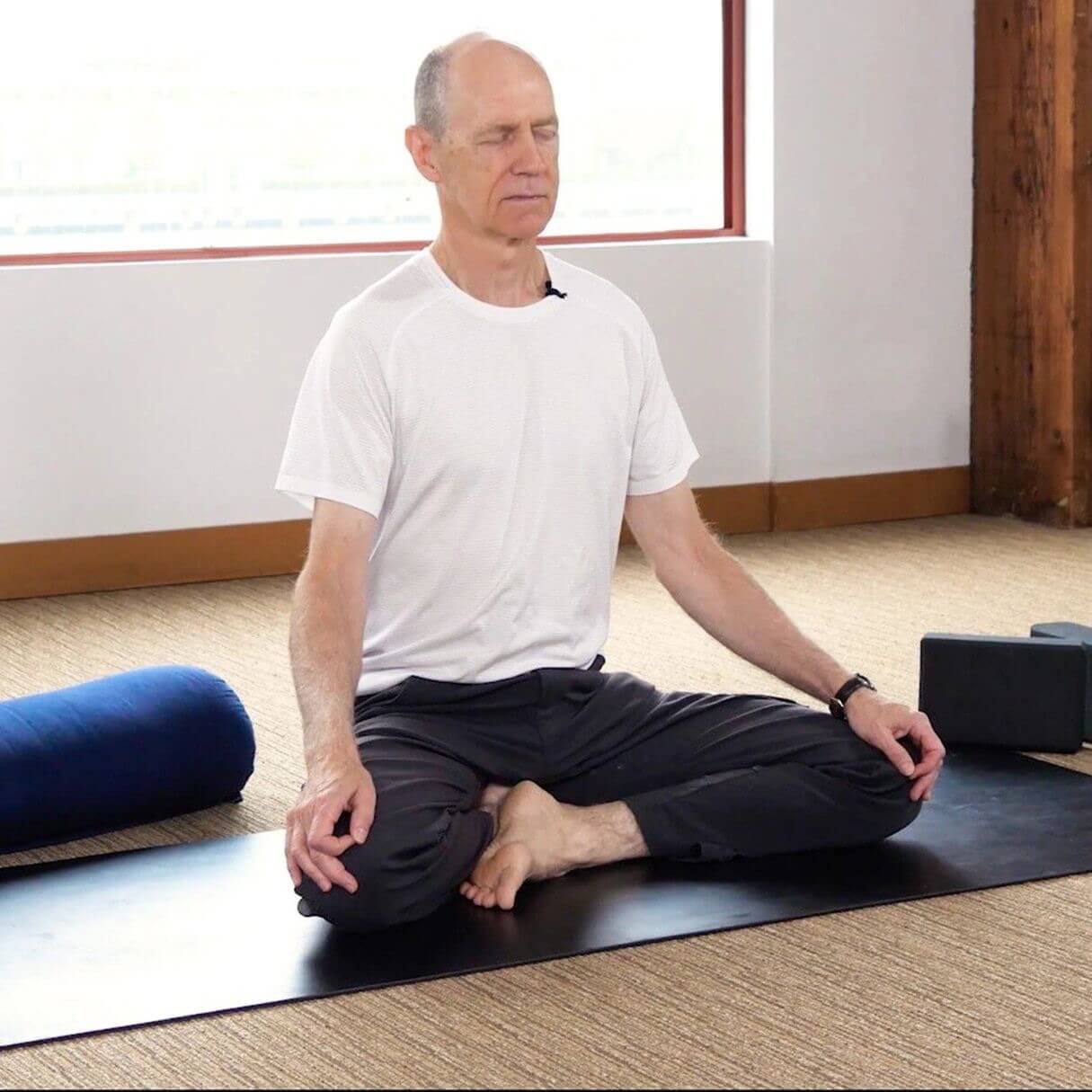
Butterfly Pose (Baddha Konasana): Overview
Butterfly is a gentle hip opener used in Yin Yoga to release the inner thighs and lower back. Keep the sensation mild, breathe slowly, and use props to relax rather than forcing depth. Also known as Bound Angle or Cobbler’s Pose.
How to Do Butterfly Pose (Step-by-Step)
- Sit tall with soles of the feet together and knees wide.
- Slide heels a comfortable distance from the pelvis.
- Hinge forward from the hips; lengthen the spine, then soften head and neck.
- Support with blocks/bolster under knees or forehead as needed.
- Hold 3–5 minutes in Yin; keep breath slow and steady.
- To exit, walk hands back, support knees, and extend the legs gently.

Butterfly Pose Video (Quick Demo)
Butterfly Pose (Baddha Konasana) with Bernie Clark—diamond-shape setup, Yin’s three principles (edge, stillness, time), and safe prop options to relax without forcing depth.
- Soles together; slide feet forward to make a diamond shape.
- Fold to your own degree—the floor is direction, not destination.
- Yin principles: find first edge → be still → stay for time (time > intensity).
- Props: height under sit bones (tilt pelvis), support one/both knees (MCL/meniscus), head on bolster/hands.
- Very open bodies: hinge from hips; a bolster on thighs can encourage rounding.
- Let the spine round, head toward heels; wait for softening, then move to the next edge—never force.

Benefits of Butterfly Pose (Baddha Konasana)
- Stretches inner thighs and groin; eases hips and lower back
- Supports hip mobility and posture (great counter to sitting)
- Calms the nervous system in longer Yin Yoga holds
Energetic Aspects (Chakras & Meridians)
Traditionally relates to the Root and Sacral chakras; stimulates the Kidney and Liver meridians along the inner legs.
Contraindications & Safety
Avoid or modify with acute knee, hip, or low-back issues. Keep the stretch mild; no sharp or pinching pain. In pregnancy or joint sensitivity, elevate the hips, support the knees, reduce fold depth, and exit early if uncomfortable.
Pose Modifications & Variations
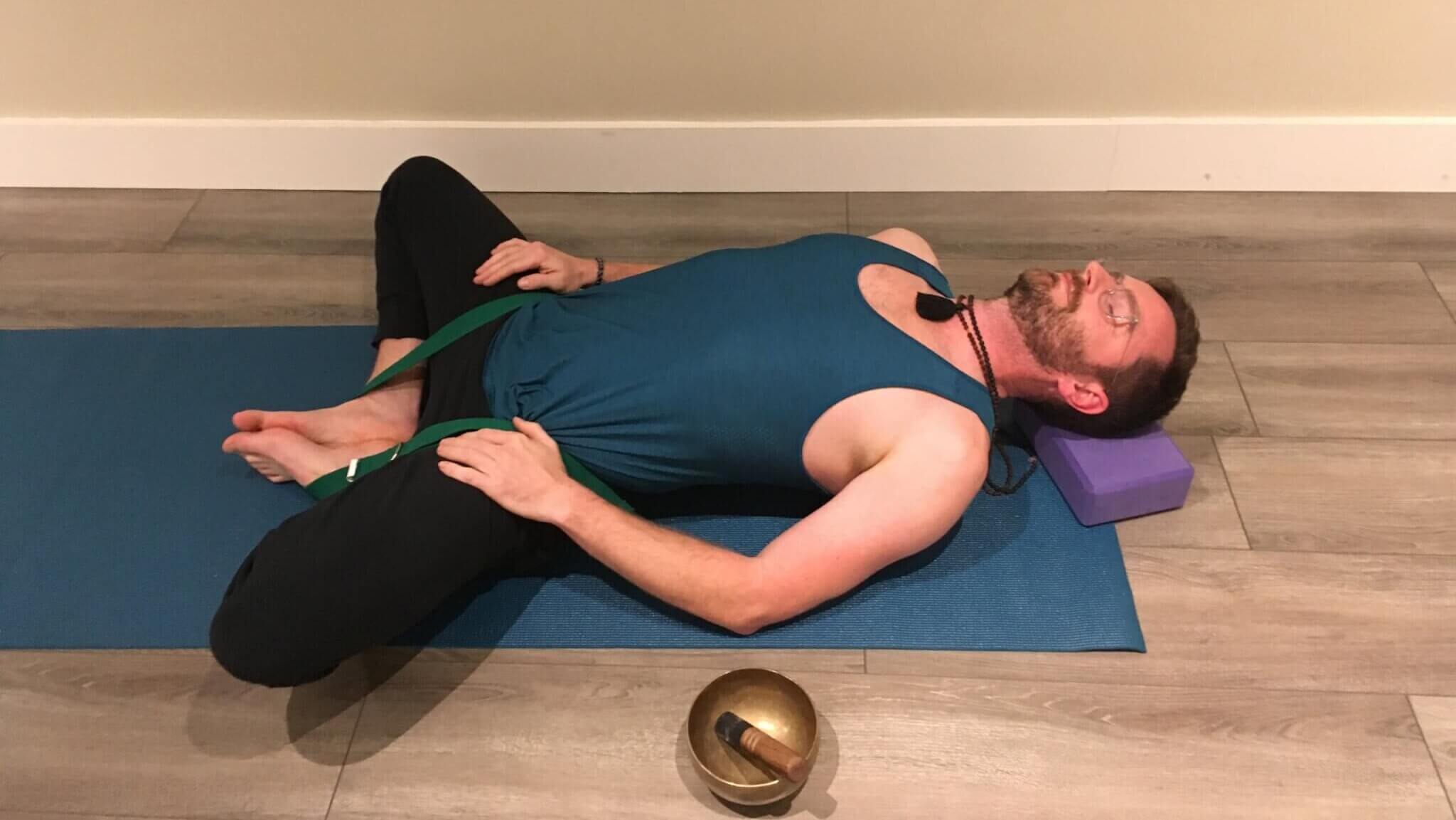
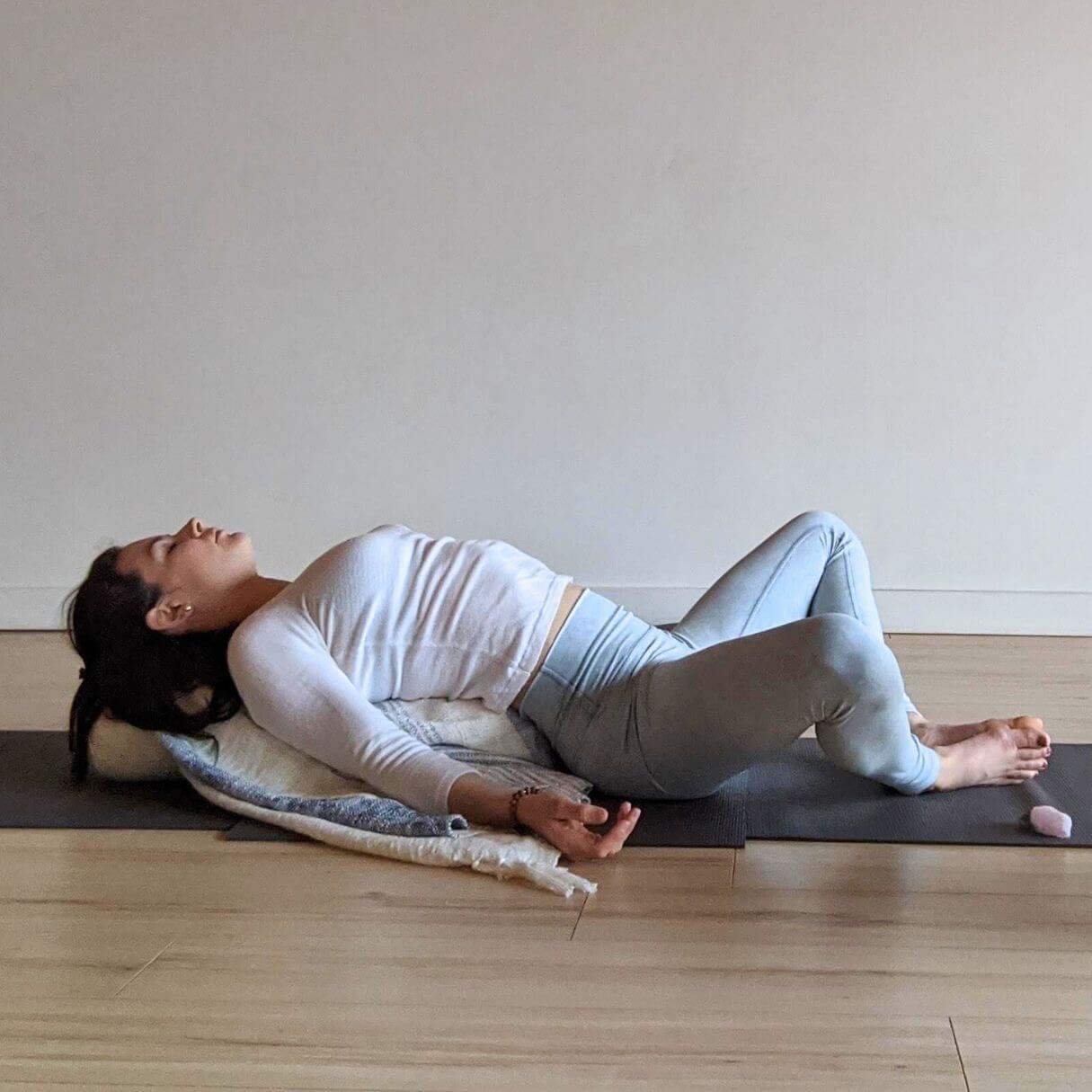
Reclined Butterfly (Supta Baddha Konasana)
Lie back on a bolster or pillow with knees supported by blocks. Breathe slowly to relax the belly and hips.
Supported Forward Fold
Place a bolster on the short side edge in front of the feet/shins and rest the torso and head on it for a restorative version.
Dynamic “Flapping” Butterfly
Gently pulse knees for 30–60 seconds to warm the adductors before longer holds.
Wide vs. Narrow Foot Placement
Feet close to the pelvis (heels in): stronger groin/adductor sensation. Keep the spine long at first; support the knees with blocks if there’s inner-knee pinching.
Feet further from the pelvis (“diamond”): slide the feet forward while keeping the knees wide; sensation shifts toward outer hips/lower back and allows easier spinal rounding—great for longer Yin holds. Aim for a mild, sustainable stretch.
Muscles Worked (Anatomy)
- Primary: Adductors (inner thighs)
- Secondary: lower back, deep hip rotators
- Stabilizers: abdominals/obliques for neutral spine
Beginner Tips & Props
- Sit on a folded blanket to tilt the pelvis forward.
- Support knees with blocks/bolsters to reduce joint strain.
- Keep the spine long at first, then soften.
- Exit slowly; add a brief rebound (lying on back or gentle twist).
Butterfly Pose FAQ: Benefits, Safety, and Practice Tips
What is Butterfly Pose (Baddha Konasana)?
Butterfly Pose, also called Baddha Konasana or Cobbler’s/Bound Angle Pose, is a hip-opening seat where the soles of the feet touch and the knees fall wide. In Yin Yoga, it’s held for minutes with relaxed effort to target the inner thighs and hips. Keep the fold mild and let the spine soften over time.
What are the benefits of Butterfly Pose?
Butterfly Pose stretches the inner thighs (adductors), eases hips and lower back, and can help counter tightness from sitting or sports. In Yin holds, it also supports nervous-system downshifting and mindful breathing. Consistent, comfortable practice improves hip mobility without forcing depth.
How do you do Butterfly Pose correctly?
Sit tall with the soles of the feet together and knees wide. Slide the feet closer for more groin sensation or forward (diamond shape) to allow easier rounding. Hinge from the hips, keep the stretch mild, and support knees or head with props as needed. Exit slowly and take a short rebound.
How long should you hold Butterfly Pose in Yin Yoga?
Typically 3–5 minutes. Beginners can start with 1–2 minutes and add time as comfort improves. Use props (blanket under sit bones, blocks under knees, bolster for the torso) so you can relax without strain—time is more important than intensity.
Which muscles does Butterfly Pose stretch or work?
Primarily, the Butterfly Pose Benefits the adductors (inner thighs). You may also feel a gentle release through the hips and lower back, with light engagement of the core to support neutral alignment at first. Sensation changes with foot distance and prop support.
Is Butterfly Pose safe for beginners?
Yes—keep the fold shallow and use props. Sit on a folded blanket to tilt the pelvis forward, support one or both knees with blocks, and avoid any sharp or pinching pain. Stay with a mild stretch, breathe steadily, and come out early if needed.
How can I modify Butterfly Pose for knee or hip discomfort?
Prop under one or both knees with blocks or bolsters to reduce inner-knee stress. If the spine or hamstrings feel tight, sit higher on a blanket to let gravity help. Move the feet forward into a diamond shape to soften the fold, and rest the head on hands or a bolster.
Can I do Butterfly Pose during pregnancy?
Often, yes—with modifications and your provider’s OK. Sit higher, keep the fold shallow, support the knees, and focus on ease rather than depth. If anything feels compressive or unstable, reduce the angle or skip the forward fold altogether.
Is Butterfly Pose the same as Bound Angle or Cobbler’s Pose?
Yes—these names refer to the same posture: Baddha Konasana. “Butterfly” and “Cobbler’s/Bound Angle” are common English synonyms. Minor variations (upright vs. forward fold, supported vs. unsupported) change sensation but not the base pose.
You Love Yoga, We Love Yoga—Let’s Stay Connected
Get yoga tips, a little inspiration, and friendly emails—because yoga is better with friends.
🔒 No spam. No selling your data. Ever.
Related Poses & Sequencing
Butterfly pairs best with hip openers, gentle forward folds, and mellow backbends. Use it early or mid-sequence after a light warm-up, and finish with a short rebound.
- Frog Pose (Mandukasana) — deep inner-thigh opener
- Shoelace (Yin Gomukhasana legs) — balances adductors with outer hips
- Dragon (Yin Low Lunge) — hip-flexor opener before/after Butterfly
- Sphinx / Seal — gentle→moderate backbend pairing
- Melting Heart (Anahatasana) — chest/shoulder opener to complement the fold
- Caterpillar (Paschimottanasana) — seated forward fold to continue the theme
- Child’s Pose (Balasana) — ideal rebound
Quick sequencing templates
20-minute Hip-Opener
- Shoelace (right) — 2–3 min
- Shoelace (left) — 2–3 min
- Butterfly — 3–5 min
- Frog — 3–5 min
- Child’s Pose — 1–2 min (rebound)
Backbend Blend
- Sphinx — 2–3 min → (optional) Seal — 2–3 min
- Butterfly — 3–5 min
- Melting Heart — 2–3 min
- Child’s Pose — 1–2 min (rebound)
Restorative Option
- Supported Butterfly (bolster + blocks) — 3–5 min
- Caterpillar — 3–5 min
- Gentle twist (right) — 1–2 min
- Gentle twist (left) — 1–2 min
- Child’s Pose — 1–2 min (finish)
With help from Wikipedia

Kevin Parenteau
New On the Yoga Blog