Home » Yoga Blog » Yoga Instructor Blog » 43 Best Books for Yoga Teachers – The Essential List
The 43 Best Books for Yoga Teachers: A Comprehensive Reading List
Your learning as a yoga teacher continues well beyond your initial training. This list brings together 43 books on philosophy, anatomy, practice and teaching, with notes to help you choose what to read next.
There are 41 entries: Bernie Clark’s Your Body, Your Yoga trilogy contains three separate books, numbered 11–13. The order is a reading list, not a ranking. Book details and subject summaries have been checked against publisher and author information, linked beside each entry.
Start with the question you want to explore. For class planning, look at Yoga Sequencing; for adapting practice, The Heart of Yoga; for illustrated anatomy, Yoga Anatomy; and for historical source texts, Roots of Yoga. Philosophy, memoir and complementary Taoist or Buddhist reading serve different purposes from teaching manuals.
Best Books for Yoga Teachers - Table of Contents
Best Yoga Teacher Books 1–10
1. The Bhagavad Gita
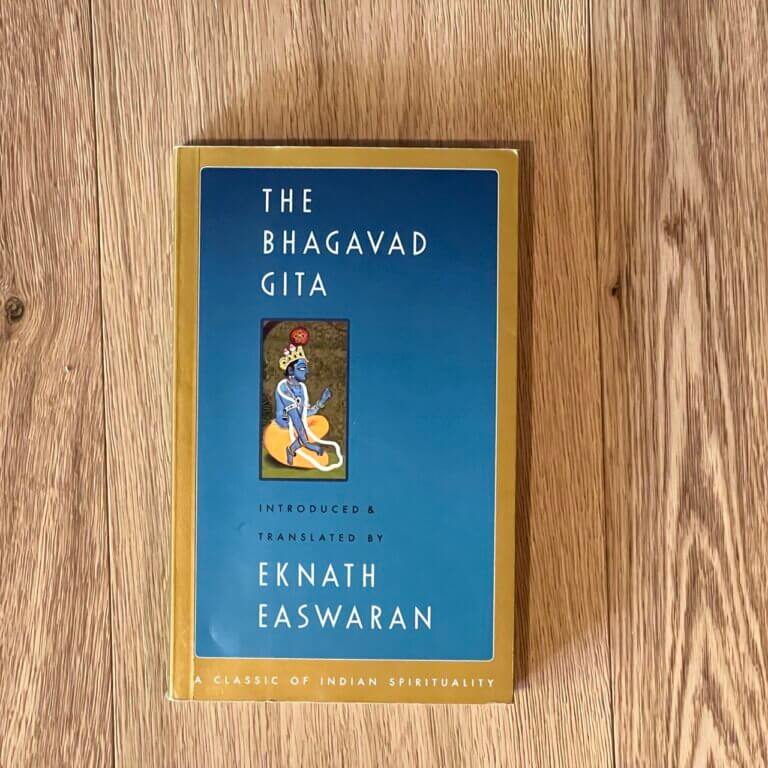
The Bhagavad Gita, translated by Eknath Easwaran, is a useful starting point for teachers exploring yoga’s philosophical foundations. This edition offers an accessible English rendering of the dialogue between Krishna and Arjuna.
Choose it for reflection on action, responsibility and spiritual practice. Teachers developing philosophy discussions can also explore our Bhagavad Gita reading guide.
2. Light on Yoga
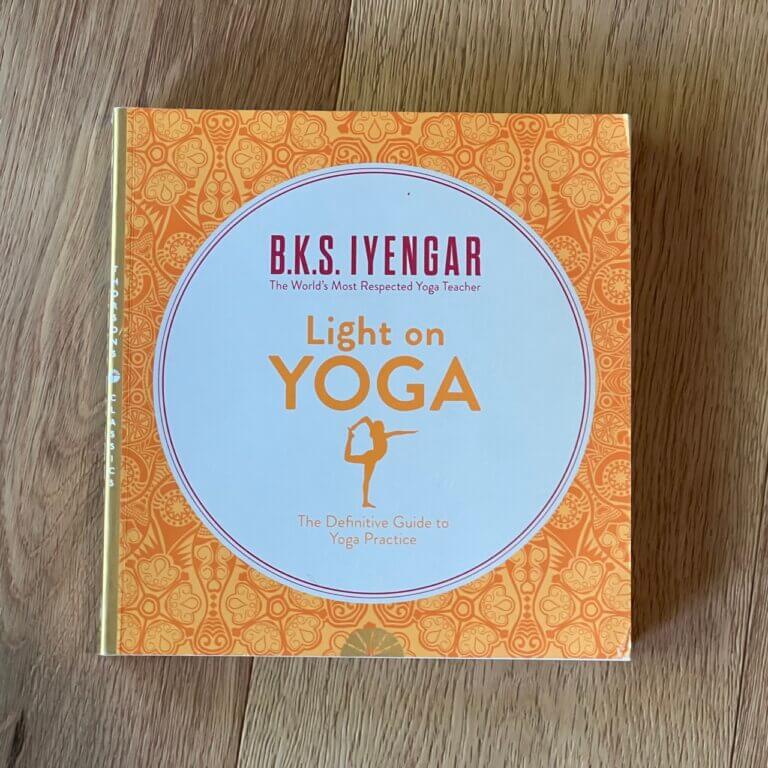
Light on Yoga by B.K.S. Iyengar is an illustrated reference for asana, breathing practices and yoga philosophy. Its detailed instructions make it useful when studying the alignment and precision associated with Iyengar’s approach.
Keep it close for pose study and terminology, while adapting your teaching to the person in front of you rather than treating a photographed posture as everyone’s goal.
3. Ashtanga Yoga: The Practice Manual
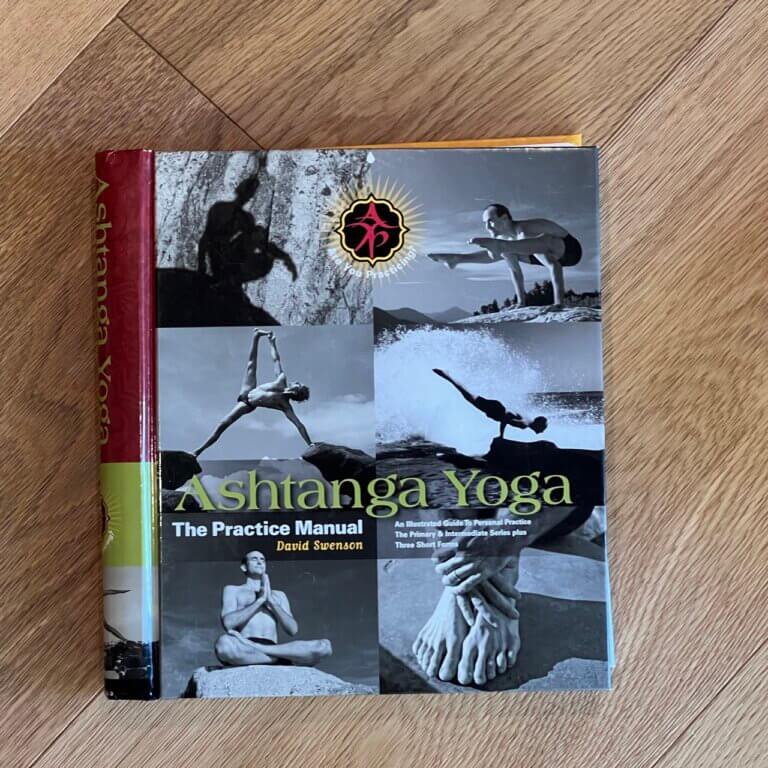
Ashtanga Yoga: The Practice Manual by David Swenson covers the Primary and Intermediate Series, with photographs, variations and three shorter practice forms. The spiral binding also makes it practical to consult during study.
It is particularly useful for Ashtanga teachers who want a visual reference for the sequence and options for different levels of practice. It is also featured in our Best Books on Ashtanga Yoga.
4. The Complete Guide to Yin Yoga: The Philosophy and Practice of Yin Yoga
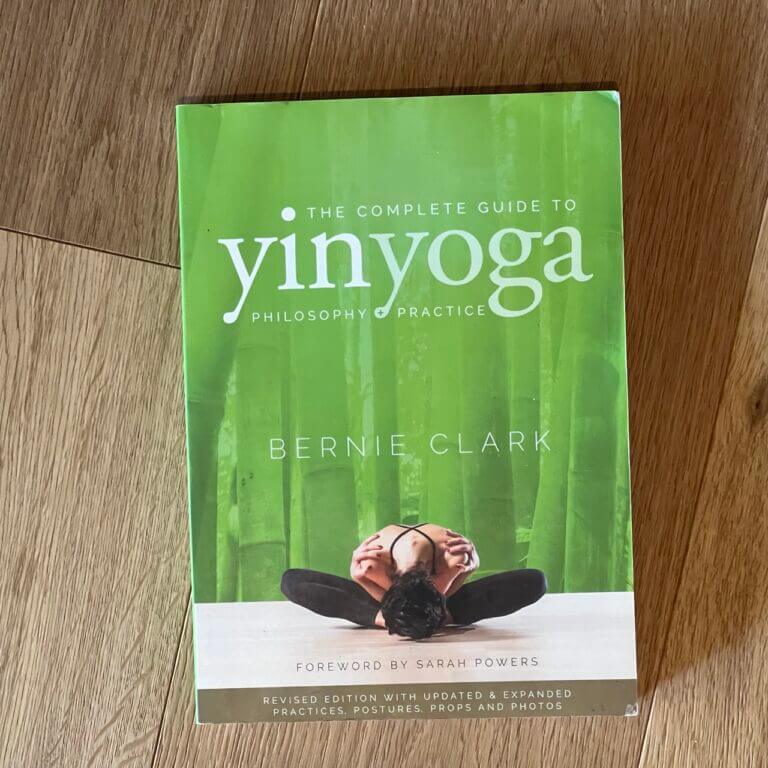
The Complete Guide to Yin Yoga: The Philosophy and Practice of Yin Yoga by Bernie Clark introduces the approach and provides illustrated posture guidance. The second edition includes ways to enter and leave poses, target areas, variations and cautions.
It is a practical choice for teachers studying Yin Yoga or preparing for Yin Yoga teacher training. Read its traditional energetic explanations in the context of the approach being presented.
5. The Key Muscles of Yoga
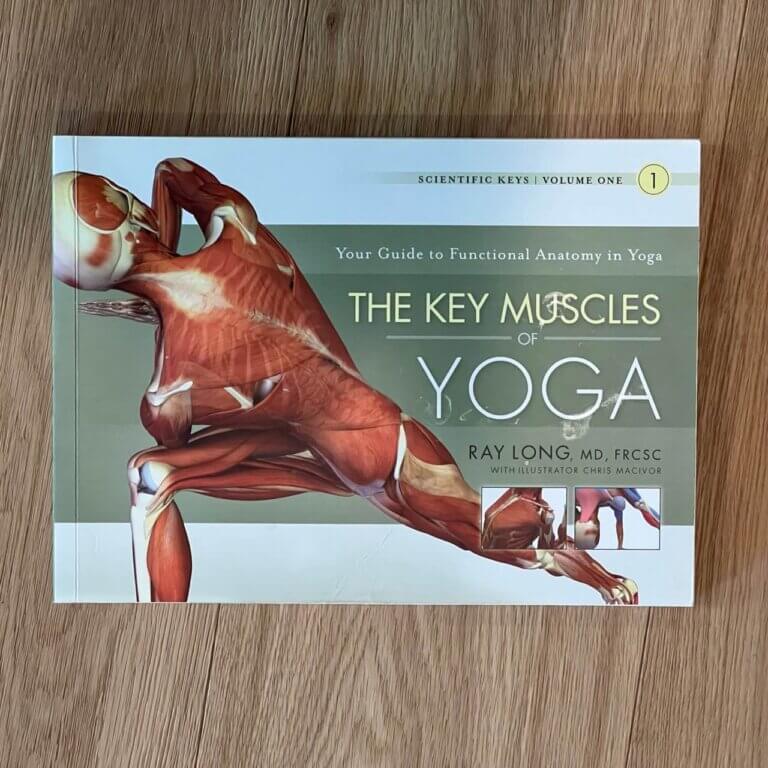
The Key Muscles of Yoga by Ray Long, illustrated by Chris Macivor, uses anatomical images to explain muscle actions in yoga postures. Earlier editions use the title The Key Muscles of Hatha Yoga.
Choose it if visual anatomy helps you understand what a movement asks of the body. It can support your teacher-training studies and the reasoning behind your cues; an anatomy illustration cannot determine an individual student’s limits.
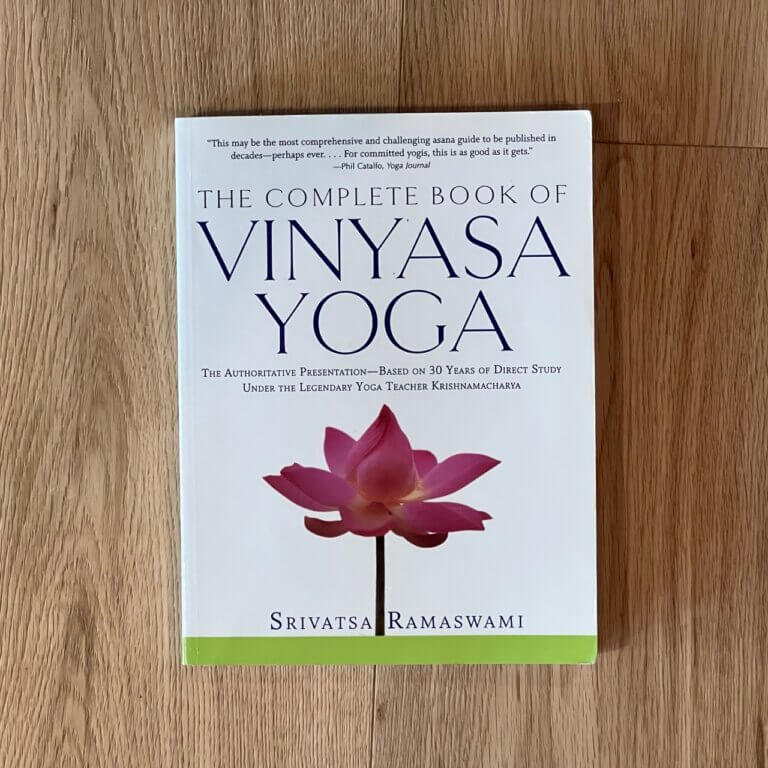
6. The Complete Book of Vinyasa Yoga
The Complete Book of Vinyasa Yoga is by Srivatsa Ramaswami, drawing on his decades of study with T. Krishnamacharya. Krishnamacharya is the teacher whose work informs the book, not a coauthor.
Ramaswami presents Vinyasakrama through structured sequences, posture variations and breathing instructions. It is especially useful for teachers who want to study this specific breath-led method in detail.
7. The Yamas & Niyamas: Exploring Yoga's Ethical Practice
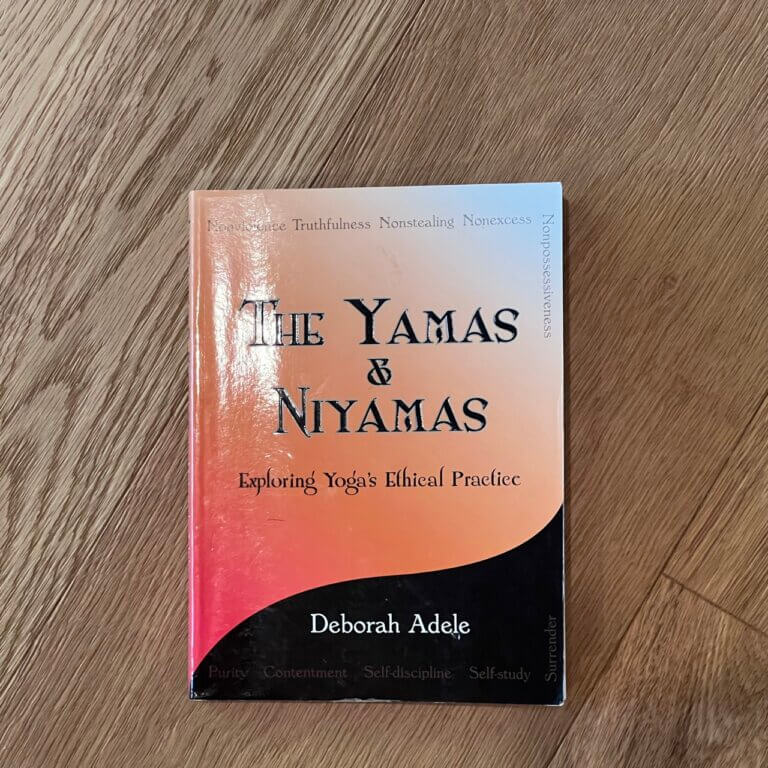
The Yamas & Niyamas: Exploring Yoga’s Ethical Practice by Deborah Adele explores the first two limbs of Patanjali’s eight-limbed path: five yamas and five niyamas.
Each principle has its own chapter, with stories, everyday examples and reflection questions. That format makes it useful for personal study, teacher-training discussions and thoughtful class themes about how we live beyond the mat.
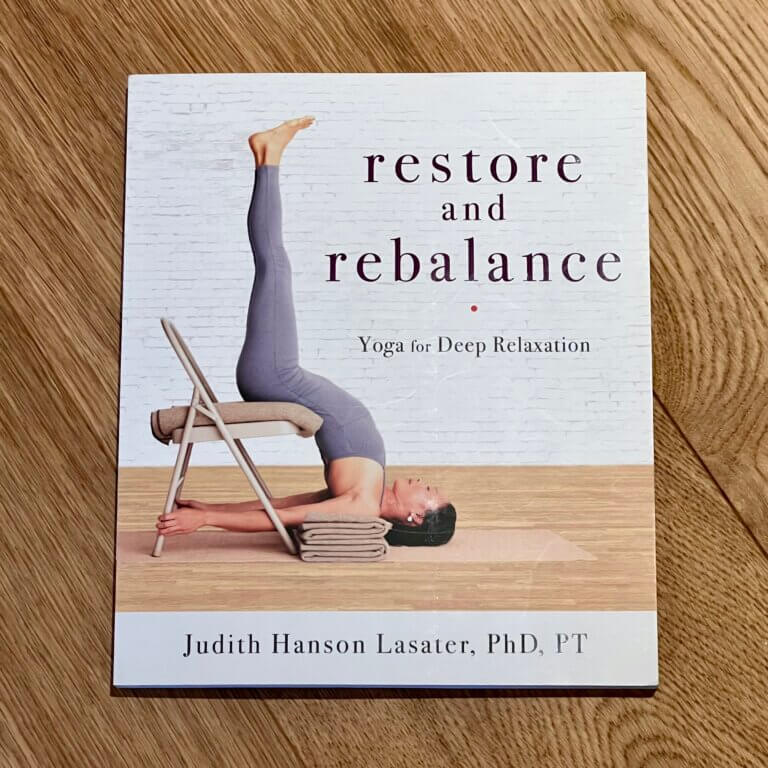
8. Restore and Rebalance: Yoga for Deep Relaxation
Judith Hanson Lasater’s book Restore and Rebalance is hands down the best introduction to Restorative Yoga I’ve come across. It cuts straight to the practice, avoiding the unnecessary filler often found in similar books. The book features detailed pictures and comprehensive instructions on props, postures, and sequences, making it incredibly user-friendly. The addition of teacher notes for each pose is a thoughtful and valuable touch. If you’re looking to learn about Restorative Yoga, this book is an absolute must-read.
9. Tao Te Ching
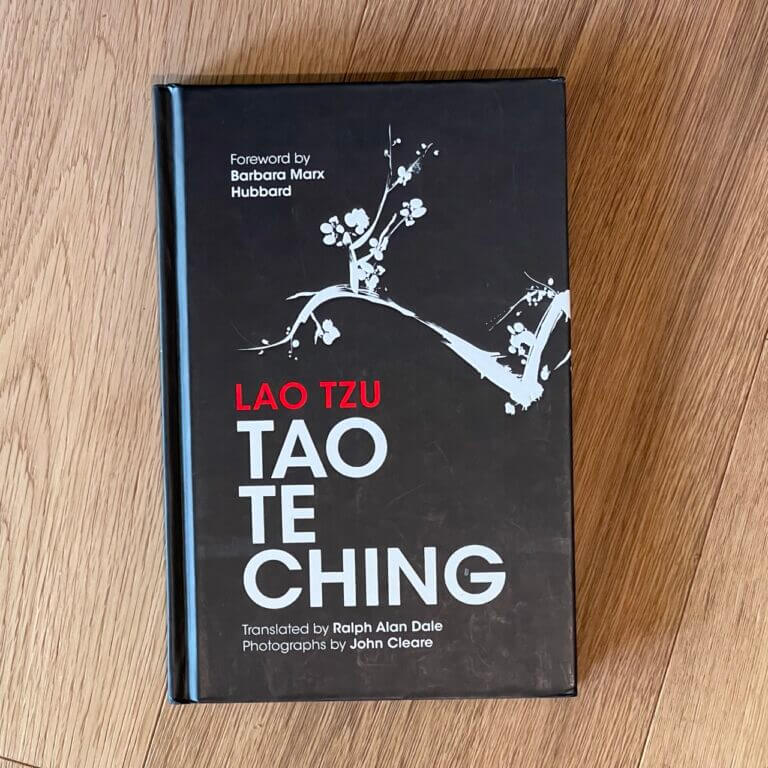
The Tao Te Ching, traditionally attributed to Lao Tzu, is a foundational Taoist text made up of 81 brief chapters. Its reflections on simplicity, humility and non-forcing can offer teachers a different philosophical perspective on practice and daily life.
This is complementary reading from a Chinese tradition. Translations vary considerably, so check the translator and commentary when choosing an edition; the publisher reference below describes John Minford’s translation.
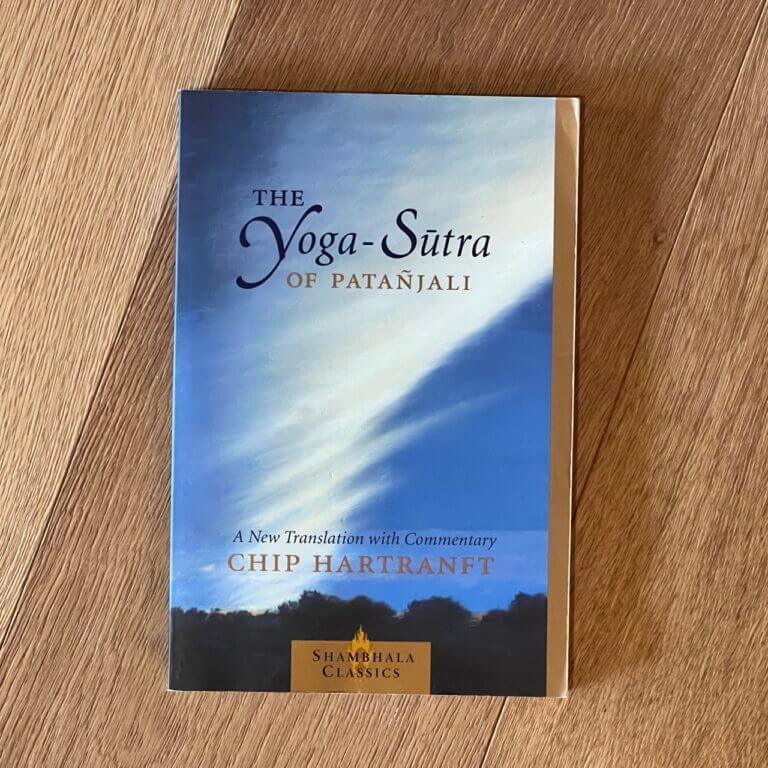
10. The Yoga-Sutra of Patanjali: A New Translation with Commentary
The Yoga-Sutra of Patanjali: A New Translation with Commentary by Chip Hartranft pairs a translation with an explanation of the text’s approach to consciousness, suffering and liberation.
It is a useful choice for teachers drawn to meditation and the workings of the mind. Hartranft’s background bridges yoga and Buddhist meditation, giving this commentary a distinct emphasis worth comparing with other translations.
You Love Yoga, We Love Yoga—Let’s Stay Connected
Get yoga tips, a little inspiration, and friendly emails—because yoga is better with friends.
🔒 No spam. No selling your data. Ever.
Yoga Teacher Books 11–20
11–13. Your Body, Your Yoga trilogy (3 Books)
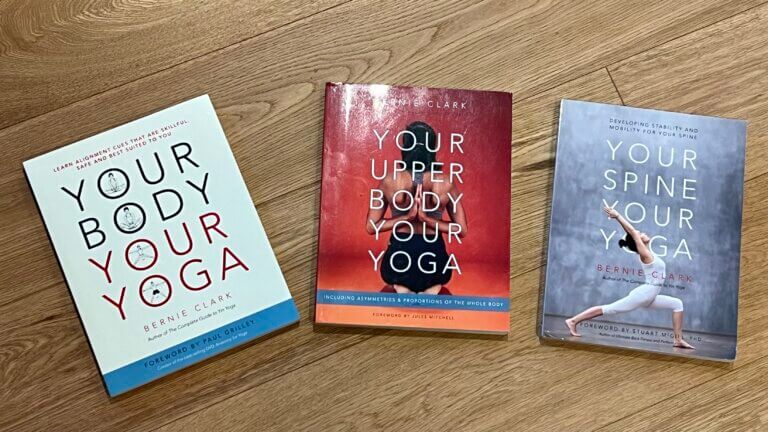
Bernie Clark’s trilogy explores how anatomical variation affects movement and the choices we make in asana. These are three separate books:
- Your Body, Your Yoga: individual structure, movement limits and a functional approach to practice.
- Your Spine, Your Yoga: spinal anatomy, stability and mobility.
- Your Upper Body, Your Yoga: shoulders, arms and hands, plus the effects of proportions and asymmetry.
The series is particularly useful when questioning one-size-fits-all alignment cues. Each title above links to the author’s book information.
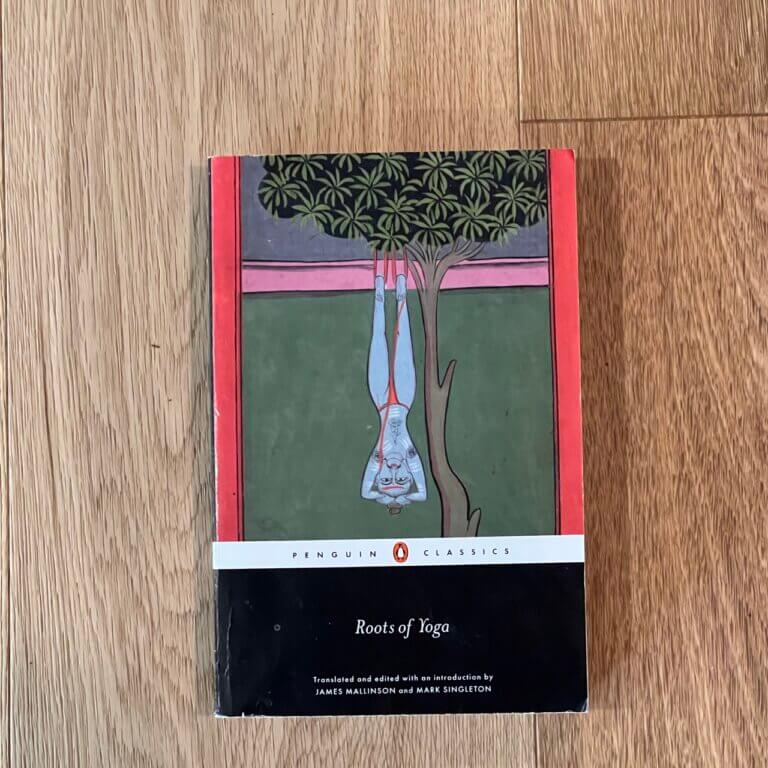
14. Roots of Yoga
Roots of Yoga, translated and edited by James Mallinson and Mark Singleton, brings together primary writings from a range of yoga traditions. Its sources include Hindu, Buddhist and Jain material, with passages organized around practices and ideas.
Choose it when you want to examine historical sources behind claims about yoga. It gives teachers material to compare across traditions and helps add context to philosophy and history lessons.
15. Yoga: Immortality and Freedom
Yoga: Immortality and Freedom by Mircea Eliade, translated by Willard R. Trask, is an academic study of yoga’s religious ideas and practices. It surveys material from the Vedas through the twentieth century.
This is a substantial historical reading project for teachers interested in the study of religion. The edition with David Gordon White’s introduction supplies context for Eliade’s work; reading it alongside newer scholarship such as Roots of Yoga offers a broader perspective.
Publisher edition and contents: Princeton University Press on JSTOR
16. The Serpent Power
The Serpent Power by Arthur Avalon, the pen name of Sir John Woodroffe, presents translations and commentary on Sanskrit works concerning kundalini and the chakras.
It suits teachers undertaking a detailed study of Tantra and traditional subtle-body concepts. Its language and subject matter call for patient reading, and its descriptions of energy belong to that religious framework.
17. Letters from the Yoga Masters
Letters from the Yoga Masters by Marion (Mugs) McConnell draws on the correspondence of her teacher Harry (Hari) Dickman with figures including Swami Sivananda, Ramana Maharshi and Paramhansa Yogananda.
The letters and personal accounts explore teachings on pranayama, mudras, diet and other practices. Choose it for an intimate view of how yoga knowledge travelled between teachers and students across traditions.
18. The Heart of Yoga: Developing a Personal Practice
The Heart of Yoga: Developing a Personal Practice by T.K.V. Desikachar explains an approach shaped by his father and teacher, Krishnamacharya. It brings together postures, counterposes, breathing, meditation and philosophy.
Its central value for teachers is the attention to adapting practice to an individual’s circumstances and changing needs. It is a useful foundation for thinking beyond a fixed sequence.
19. Hatha Yoga Pradipika
Hatha Yoga Pradipika is a classical text attributed to Swatmarama. The Bihar School edition associated with Swami Muktibodhananda includes Sanskrit, English translation and commentary, with guidance from Swami Satyananda Saraswati.
It examines asana, pranayama, cleansing practices, mudra and bandha within a traditional spiritual framework. It is valuable for textual study; advanced practices described in historical texts call for qualified guidance.
20. Yoga Sutras of Patanjali
The Yoga Sutras of Patanjali, translated with commentary by Sri Swami Satchidananda, presents the text through his practical approach to Raja Yoga and training the mind.
Choose this edition for a teacher’s commentary oriented toward applying the teachings in daily life. Comparing it with Hartranft’s edition can illuminate differences in interpretation rather than treating one as a fallback for the other.
Yoga Teacher Books 21–30
21. Yoga Anatomy
Yoga Anatomy by Leslie Kaminoff and Amy Matthews examines poses and breathing through illustrated anatomy. The third edition expands its discussion of the spine, nervous system and breathing, and adds teaching cues and breathing inquiries.
It is useful for teachers who want to connect what they see in a posture with joint actions, muscular relationships and breath. Check the edition when comparing copies.
22. The Art and Business of Teaching Yoga
The Art and Business of Teaching Yoga is coauthored by Amy Ippoliti and Taro Smith. The revised edition addresses building and sustaining a teaching career, including the changing landscape of online and in-person teaching.
Choose it when your next learning need is the professional side of yoga: reaching students, communicating your offer and making teaching sustainable. It complements the practice and philosophy titles on this list.
23. Autobiography of a Yogi
Autobiography of a Yogi by Paramahansa Yogananda is a spiritual memoir recounting his life, teachers and encounters, and introducing his understanding of yoga and self-realization.
It suits readers interested in devotion, lineage and the transmission of yoga to the West. Approach it as the author’s spiritual life story, with a different purpose from an academic history or classroom teaching manual.
24. The Yoga Tradition
The Yoga Tradition: Its History, Literature, Philosophy and Practice by Georg Feuerstein is a broad reference on yoga’s history, psychology, literature and varied paths.
It is useful for teachers who want a substantial overview beyond the style they teach. Its coverage of traditions such as Raja, Bhakti, Kundalini, Mantra, Tantra and Jnana Yoga can guide further reading into particular subjects.
25. The Wisdom of Yoga
The Wisdom of Yoga by Stephen Cope explores the Yoga Sutra through the lives and everyday difficulties of a group of friends and yoga students. Cope connects their experiences with psychology and the text’s approach to the mind.
Choose it if stories help you engage with philosophy. It can prompt reflection on relationships, ethical choices and the application of yoga beyond formal practice.
26. Yoga Sequencing
Yoga Sequencing: Designing Transformative Yoga Classes by Mark Stephens focuses on planning classes. It provides model sequences for different experience levels, extensive posture photographs and class-planning worksheets.
This is the practical choice when you want to examine why one posture follows another and how a class develops. Use the examples as material to assess and adapt for your own students.
27. Yoga and the Quest for the True Self
Yoga and the Quest for the True Self by Stephen Cope explores yoga philosophy, psychology and personal transformation through his experiences and observations at Kripalu.
Cope considers how practice relates to identity, relationships, loss and the search for purpose. It is useful for teachers interested in the inner life of practice and the interaction between Western psychology and yoga.
28. The Secret Power of Yoga
The Secret Power of Yoga by Nischala Joy Devi offers a heart-centered, feminine interpretation of Patanjali’s Yoga Sutras, with practices for applying the teachings in daily life.
The revised edition expands the commentary to cover all four padas. It is useful for teachers comparing interpretations of the Sutras and exploring an approach centered on spiritual experience.
29. The Yoga of Breath
The Yoga of Breath: A Step-by-Step Guide to Pranayama by Richard Rosen introduces pranayama and its place in yoga practice.
Choose it for a focused study of breath awareness and the gradual development of breathing practice. It gives teachers a subject-specific companion to broader asana manuals; teaching breathing techniques also requires attention to individual comfort and appropriate guidance.
30. The Living Gita
The Living Gita: The Complete Bhagavad Gita by Sri Swami Satchidananda offers commentary for modern readers on the dialogue between Krishna and Arjuna.
It is useful when you want a teaching-oriented interpretation of the Bhagavad Gita and its relevance to ordinary life. Read it alongside a translation such as Easwaran’s to compare how the teachings are explained.
You Love Yoga, We Love Yoga—Let’s Stay Connected
Get yoga tips, a little inspiration, and friendly emails—because yoga is better with friends.
🔒 No spam. No selling your data. Ever.
Yoga Teacher Books 31–38
31. Yoga Nidra
Yoga Nidra by Swami Satyananda Saraswati introduces the Bihar School’s approach to yoga nidra, including explanations of the method and transcribed practices.
It is useful for teachers studying guided relaxation and awareness. The practices belong to this particular teaching tradition, so it helps to understand the method before adapting it for students.
32. The Path of the Yoga Sutras
The Path of the Yoga Sutras: A Practical Guide to the Core of Yoga by Nicolai Bachman explores 51 key concepts through commentary, reflection questions and suggested actions.
Its concept-based organization is useful for teachers who want manageable study topics or discussion prompts. It offers a different entry point from reading a commentary sutra by sutra.
33. The Inner Tradition of Yoga
The Inner Tradition of Yoga by Michael Stone connects yoga philosophy and ethics with contemporary practice, relationships and daily life, drawing on his work with yoga, Buddhism and psychotherapy.
It suits teachers interested in how philosophical study can inform the way they practise and relate to others. Expect sustained reflection on the meaning of practice.
34. Yoga: The Spirit and Practice of Moving into Stillness
Yoga: The Spirit and Practice of Moving into Stillness by Erich Schiffmann combines hatha yoga instruction with meditation and an emphasis on inner awareness.
Choose it if you want to explore how physical practice can become a way of listening and developing stillness. Its focus on the experience of practice gives teachers a useful complement to anatomy and sequencing references.
35. Teaching Yoga
Teaching Yoga by Mark Stephens is a broad reference on teaching methods, yoga history and philosophy, anatomy, postures, sequencing, breathing and meditation.
It is useful for new teachers building a foundation and experienced teachers revisiting their methods. The 2024 second edition updates the discussion of inclusion and contemporary teaching issues, so check which edition you are buying.
36. Yoga: The Iyengar Way
Yoga: The Iyengar Way by Silva Mehta, Mira Mehta and Shyam Mehta introduces Iyengar yoga through 100 key postures, detailed instructions and step-by-step photographs.
It is a useful practical reference for teachers studying alignment and the organization of a pose. The photographic format suits readers who learn by examining the stages of a movement.
37. Yoga Adjustments
Yoga Adjustments: Philosophy, Principles, and Techniques by Mark Stephens examines hands-on assistance, tactile cues, communication and the reasoning behind physical adjustments.
It is relevant to teachers studying this specialized part of teaching. Use it alongside practical training and clear student consent; a book does not establish that an adjustment is appropriate for a particular person.
38. Yoga Body
Yoga Body: The Origins of Modern Posture Practice by Mark Singleton is a historical study of modern postural yoga, including its relationship with physical-culture movements.
It is useful for teachers who want to examine common assumptions about the origins of the practices taught today. Its focus is historical research, with particular attention to developments from the nineteenth century into the early twentieth.
Yoga Teacher Books 39–43
39. The Four Desires
The Four Desires by Rod Stryker explores purpose, fulfillment and freedom through yoga philosophy, self-inquiry, meditation and intention-setting.
Choose it for personal reflection on the direction of your life and work. For teachers, it can support thinking about motivation and purpose alongside the more technical aspects of teaching.
40. Living Your Yoga
Living Your Yoga: Finding the Spiritual in Everyday Life by Judith Hanson Lasater draws on the Yoga Sutra and Bhagavad Gita to explore practice through daily experiences and relationships.
Its reflections and exercises are useful for teachers looking for grounded ways to connect philosophy with ordinary life. It also makes a manageable companion for personal journaling or a reading group.
41. Peace Is Every Step
Peace Is Every Step: The Path of Mindfulness in Everyday Life by Thich Nhat Hanh offers short teachings and practices for bringing awareness to breathing, work, relationships and everyday situations.
This is Buddhist mindfulness reading that can complement a yoga teacher’s personal practice. It is especially useful if you prefer brief passages to reflect on between longer study sessions.
42. The Heart of Meditation
The Heart of Meditation: Pathways to a Deeper Experience is an earlier meditation book by Sally Kempton, published under her monastic name, Swami Durgananda.
It is worth considering for teachers exploring her approach to personal meditation practice. Check the author and edition carefully when looking for a copy, since other writers have used the same main title.
Author-hosted article identifying the book (PDF); author biography.
43. The Power of Ashtanga Yoga II: The Intermediate Series
The Power of Ashtanga Yoga II: The Intermediate Series by Kino MacGregor is an illustrated guide to Ashtanga’s Second Series, addressing technique, readiness, philosophy and breathing.
It is most relevant to experienced practitioners and teachers building on an established Ashtanga practice. For other books in the tradition, see our Best Books on Ashtanga Yoga.
Knowledge, Insights and Inspiration
These 43 books offer different ways to continue your education as a yoga teacher. You do not need to read every title at once. Choose one that addresses a question in your teaching or personal practice, make notes and return to it as your experience grows.
When studying philosophy, compare translations and notice the tradition and perspective behind each commentary. When using practice manuals, combine reading with appropriate training, student consent and attention to individual needs.
About the sources
Publisher, author and author-organization references appear with each entry. They help verify titles, authors, editions and subject matter. The links for Bernie Clark’s trilogy cover each of its three books. Historical and spiritual claims are presented as the perspective of the work being discussed.
Book details checked October 10, 2026. Editions and availability can change; check the ISBN and contents before buying, especially when a revised edition or a similarly titled book exists.

Kevin Parenteau