

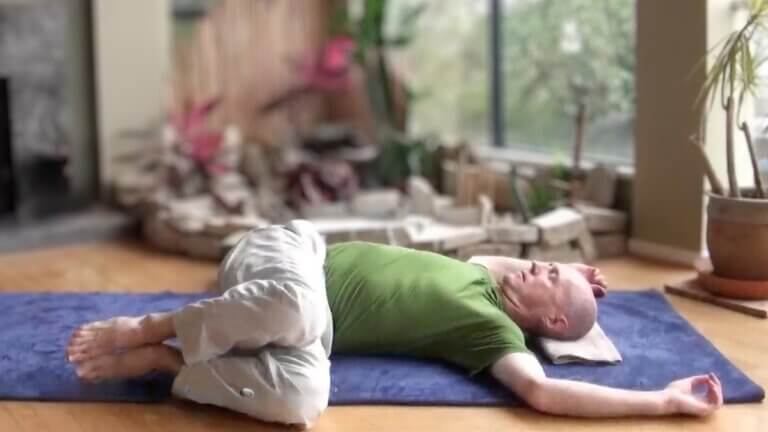
Reclining Twist Yin Yoga Pose: A Gentle Spine Release Guide
Reclining Twist Pose is a supine twisting posture in which you lie on your back and let your knees fall to one side while your upper body stays open.
This pose is also known as the Supine Spinal Twist. In Sanskrit, you may see it referred to as Supta Matsyendrasana
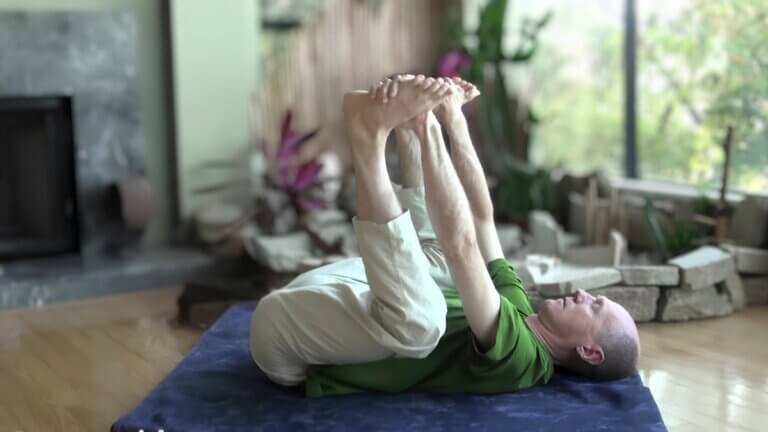
Happy Baby Yin Yoga Pose: A Gentle Hip Release Guide
Happy Baby Pose is a simple reclined Yin Yoga shape that opens the hips, inner thighs, and lower back without asking much from the body. With the right support, it can be a steady, calming pose for students who want hip release without forcing flexibility.
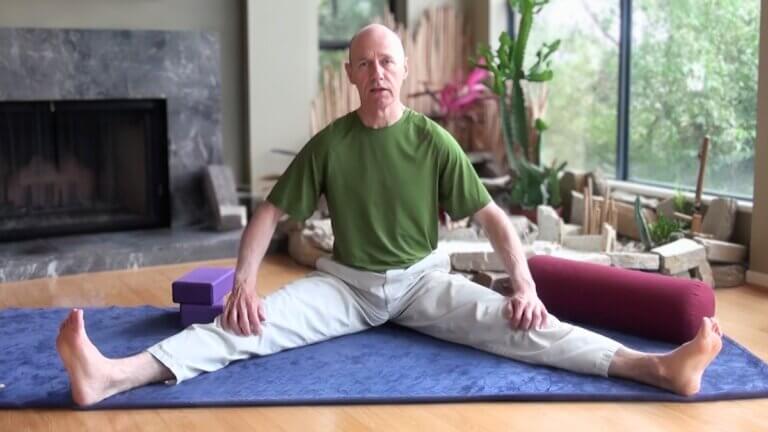
Dragonfly Yin Yoga Pose: The Complete Guide
Ever notice how tight your inner thighs feel after sitting all day?
That deep ache in your hip creases and groin isn’t just stiffness. It’s your body holding onto stress, old movement patterns, and hours of compression from chairs and cars. Most stretches barely reach these areas because they require
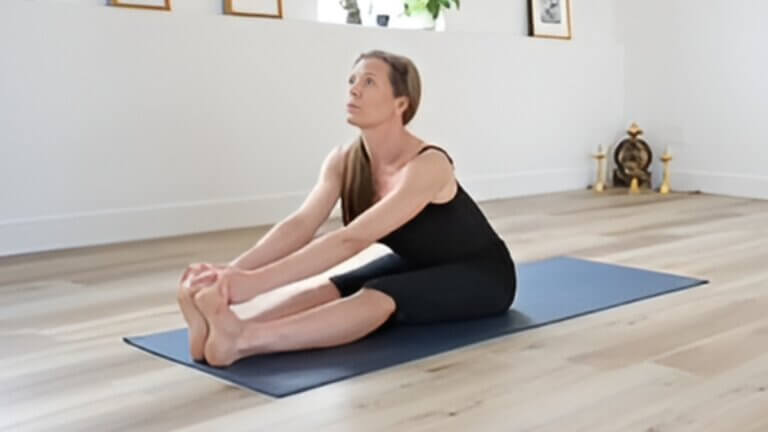
Menopause, Modification, and Yoga Practice for Life
I have always loved taking notes and being a meticulous note-taker and journal writer.
By 2022, I had upgraded to taking notes on my iPhone:
56 days no period.
78 days no period.
93 days no period.
164 days.
I reached the eight-month mark with no period.
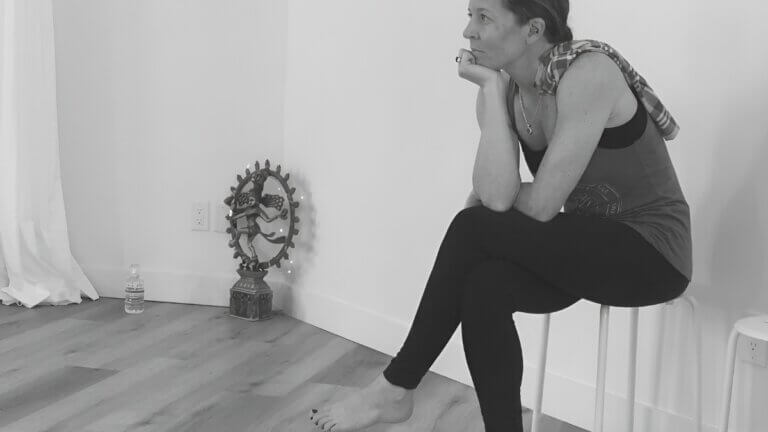
Perimenopause and the Yoga of Listening
Thirty years after my period began, the pattern shifted yet again.
This was a big shift, but in retrospect, I had no idea how big it would be. It came on gradually, with mixed messages, confusing symptoms, and unpredictable patterns.
Everything I had learned from my periods, my body, and
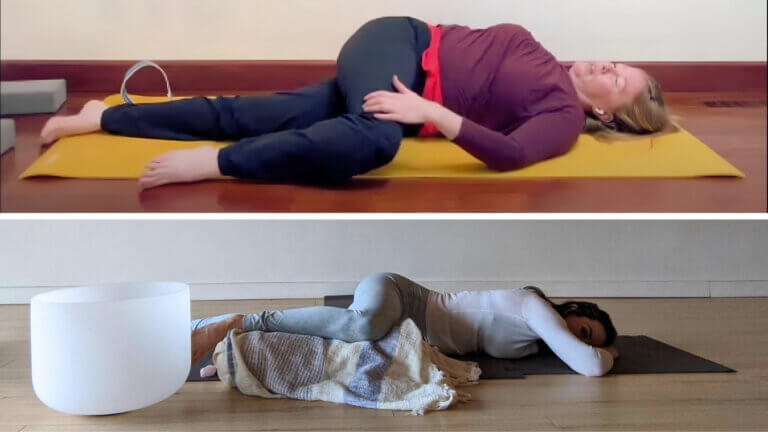
Restorative Yoga vs Yin Yoga: Key Differences Explained
You walk into a slow yoga class expecting gentle stretching and walk out wondering if you just took a nap or actually practiced yoga.
Both restorative yoga and Yin yoga look nearly identical from the outside. Props everywhere. Bodies draped over bolsters. Zero sweat. But underneath that stillness, your body