


How Often Should You Do Yoga? What Depends on Your Goals
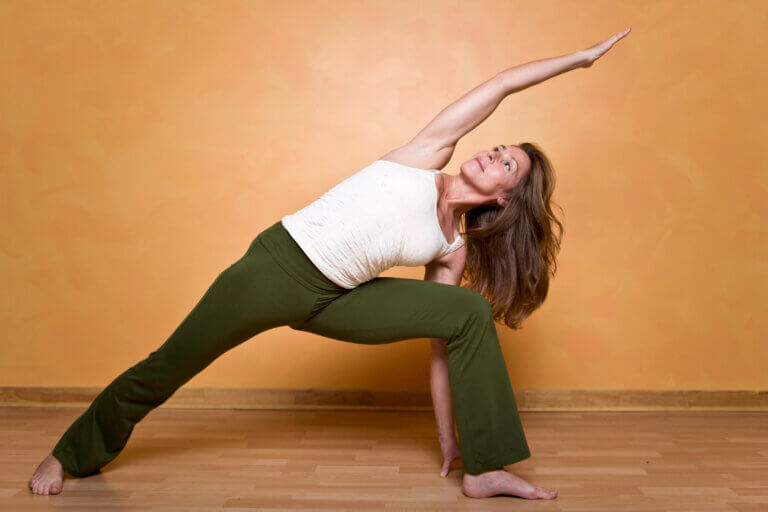
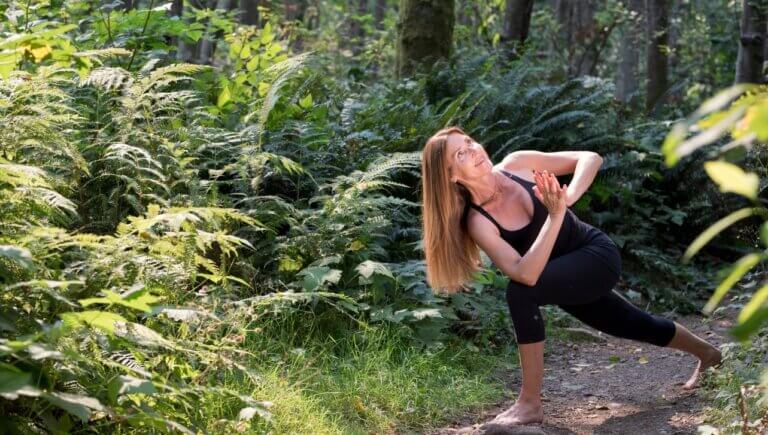
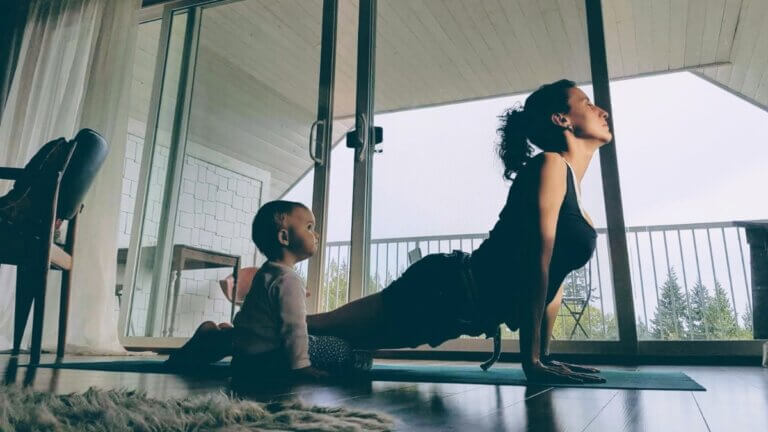
How often should you do yoga? The annoyingly yoga-like answer is: it depends. Your goal, the style you practice, how hard the session is and what else you do during the week all matter. Here’s how I’d think about frequency for beginners, flexibility, strength, stress relief, daily practice, twice-a-day yoga
What Is Yoga Sculpt? What to Expect in Your First Class
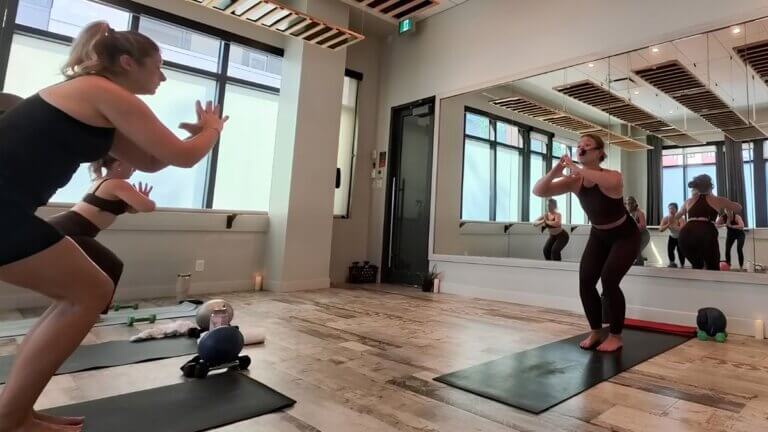
Yoga Sculpt combines yoga-based movement with strength training and, in many classes, cardio. Here’s what to expect in your first class, including weights, intensity, equipment, benefits and how to get started.
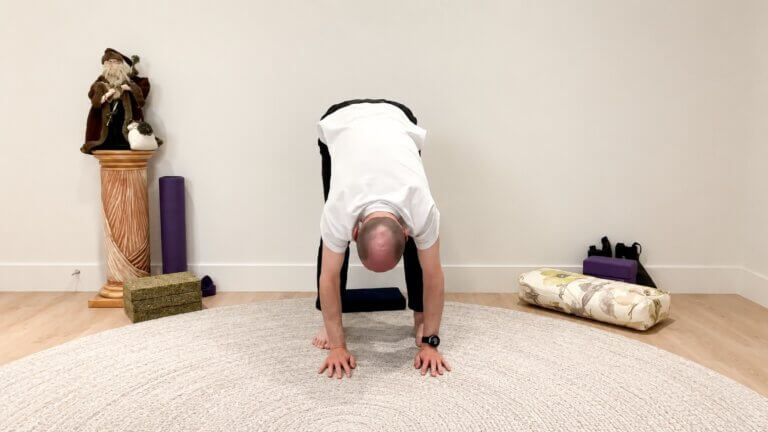
Dangling Pose in Yin Yoga: Standing Forward Fold Guide
Dangling Pose is a standing Yin Yoga forward fold where the knees soften and the upper body hangs with gravity. Unlike a more active Uttanasana, the goal is not to reach the floor or force the hamstrings. The pose is often used to release the lower back, explore the back
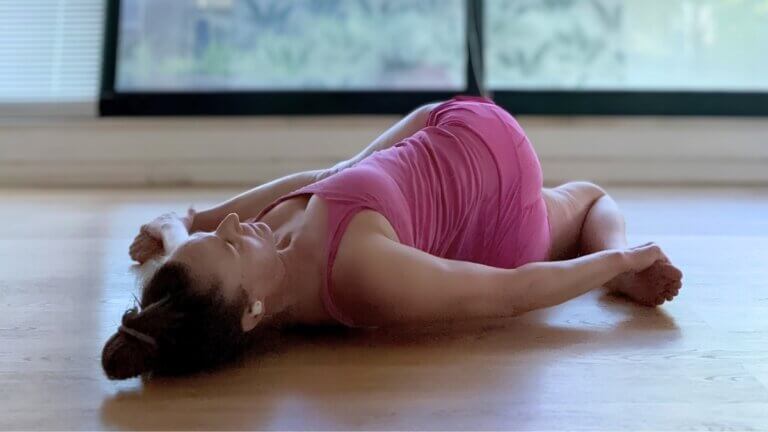
Cat Pulling Its Tail Yin Yoga Pose: Twist & Thigh Stretch Guide
Cat Pulling Its Tail is a reclining Yin Yoga pose that combines a spinal twist with a stretch through the front thigh, hip, and side body. When practiced with one leg extended and the other bent behind the body, the pose may affect the quadriceps, hip flexors, spine, rib cage,
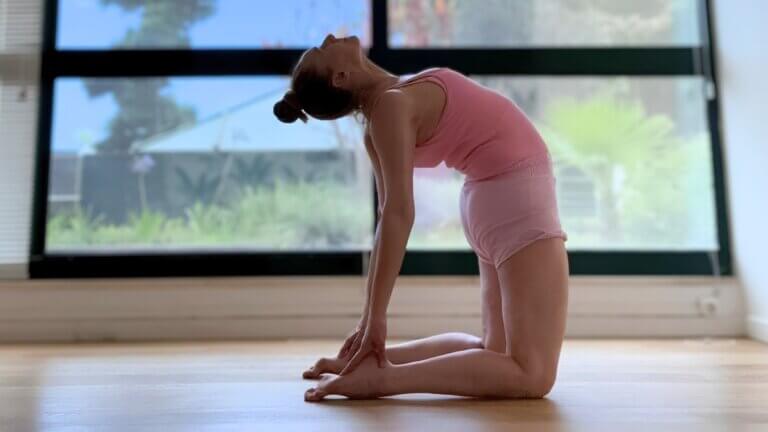
Camel Pose (Ustrasana): A Complete Yoga Pose Guide
Camel Pose is a kneeling backbend in which the thighs stay grounded while the spine moves into extension. In the full version of the pose, the hands may reach back toward the heels while the chest lifts and the front body opens.
The Sanskrit name is Ustrasana. “Ustra” means camel,
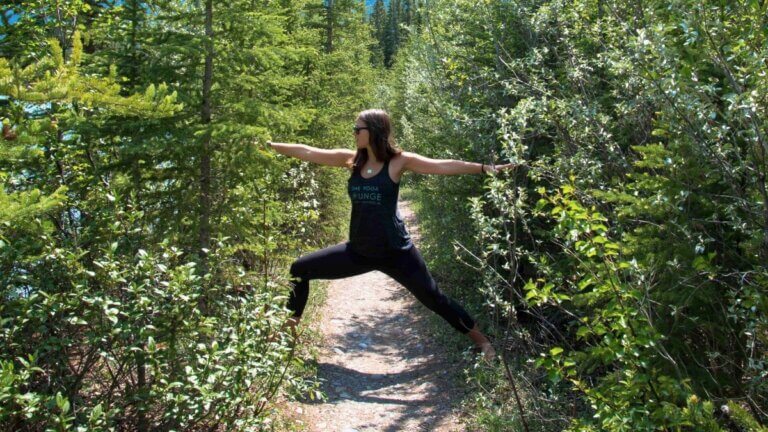
Yoga Business Roadmap: Business Plan for Yoga Teachers
Most Yoga teachers do not start teaching Yoga because they love business planning.
They start because they love Yoga. They love sharing the practice. They love watching students breathe a little deeper, move with more awareness, or leave class feeling better than when they arrived.
And then, at some point,