



What Is Yoga Sculpt? What to Expect in Your First Class
Yoga Sculpt combines yoga-based movement with strength training and, in many classes, cardio. Here’s what to expect in your first class, including weights, intensity, equipment, benefits and how to get started.
Teacher as Role Model in Yoga | Influence Beyond the Mat
In earlier parts of this series, we explored the ethical foundation of teaching, the professional scope of practice, and how to hold a safe container for students.
But even when we understand those principles, another layer of responsibility emerges.
Students often look to teachers as
Holding Space in Yoga Teaching | Creating a Safe Container
Once that container is in place, a common question arises for many teachers:
How do we support students emotionally without becoming their therapist, counselor, or savior? What should a yoga teacher do when a student is having a strong emotional reaction?
This question shows up
Scope of Practice for Yoga Teachers | Professional Boundaries
In the modern yoga world, the idea of professionalism can sometimes feel uncomfortable. Many teachers enter yoga through a deeply personal path of healing, spirituality, and service rather than through traditional professional structures. Yet professionalism in yoga is not about rigidity or bureaucracy. It is
The Ethics of a Yoga Teacher | Walking the Talk
Yoga reminds us that there is no final arrival. There is no moment where we are “done.” We are lifelong students — evolving, learning, unlearning, and refining. Our practice shifts because we shift. Humility is not optional on this path; it is the doorway to
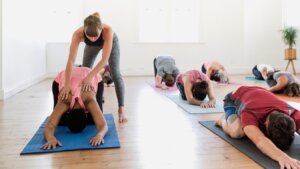
How Different Yoga Archetypes Learn: Teaching for Every Student
Every yoga teacher teaches differently—and that’s not a problem to fix. It’s a strength to understand.
Your teaching archetype reflects how you naturally hold space, how your energy moves, and how you want your voice to be expressed. When you teach in alignment with that
Yoga Teacher Archetype Quiz | Discover Your Teaching Style
Every yoga teacher teaches differently—and that’s not a problem to fix. It’s a strength to understand.
Your teaching archetype reflects how you naturally hold space, how your energy moves, and how you want your voice to be expressed. When you teach in alignment with that
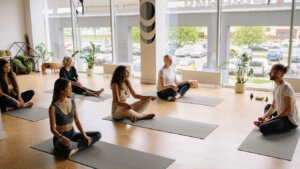
Yoga Teaching Archetypes | Teach with Authenticity & Confidence
Teacher training courses often focus on how and what to teach. But before we talk about technique, it’s worth pausing to ask a deeper question:
Who are you as a teacher?
Every yoga teacher carries a unique way of guiding, supporting, and inspiring students. That
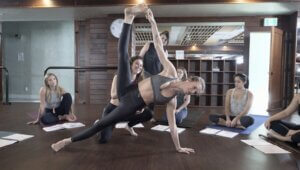
Are You Teaching All the Ways Students Learn Yoga?
Every student who walks into your class is processing your cues through a completely different nervous system, movement history, and learning preference.
Some students need to see before they understand. Others need to feel. Some need time and repetition. Others need language, rhythm, or reflection.
How Students Actually Learn Yoga | Teaching for Real Integration
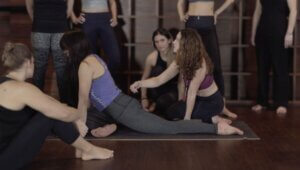
As yoga teachers, we spend years learning how to sequence, cue, adjust, and hold space. But one of the most overlooked teaching skills is understanding how students actually learn.
Because even the most beautifully sequenced class can fall flat if it doesn’t meet students where
Why Yoga Students Struggle to Feel Cues | Teaching Embodied Awareness
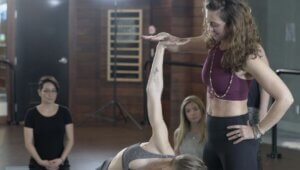
Many yoga teachers have experienced the moment when a student simply can’t “feel” the cue — no matter how clearly it’s explained or demonstrated. This isn’t a lack of effort or intelligence. More often, it’s a matter of proprioception, nervous system readiness, and how embodied

Yoga for Disability: Accessible Chair Yoga for Every Body
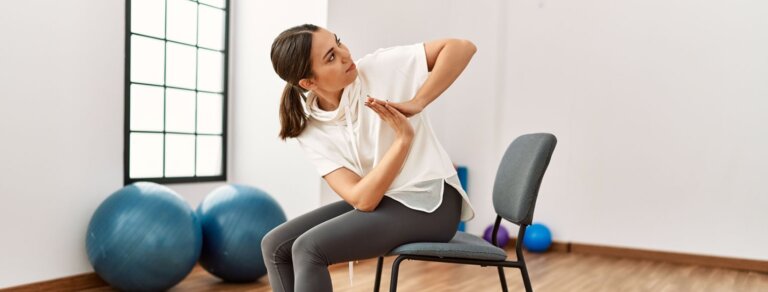
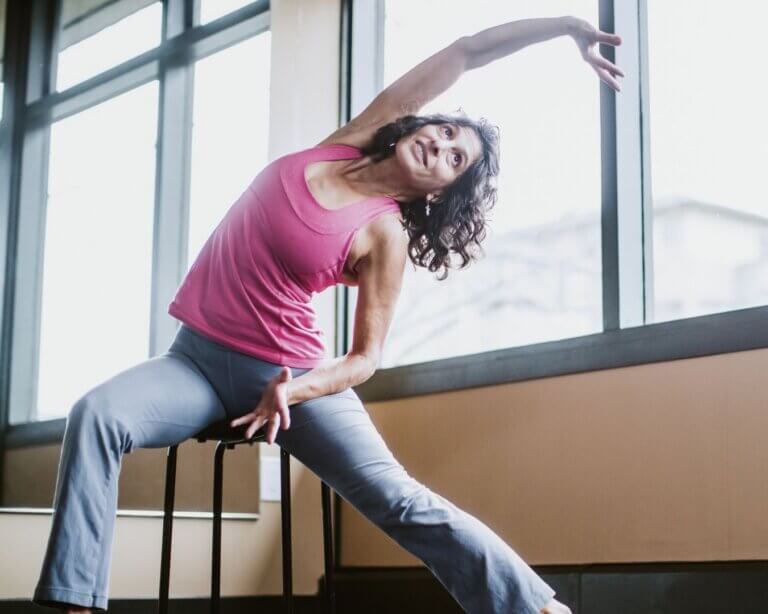
Yoga is for every body — and chair yoga makes that truth real. Whether you’re living with limited mobility, recovering from injury, or supporting someone with a disability, this gentle, adaptive style brings movement, breath, and connection back within reach.

How Often Should You Do Yoga? What Depends on Your Goals
How often should you do yoga? The annoyingly yoga-like answer is: it depends. Your goal, the style you practice, how hard the session is and what else you do during the week all matter. Here’s how I’d think about frequency for beginners, flexibility, strength, stress relief, daily practice, twice-a-day yoga
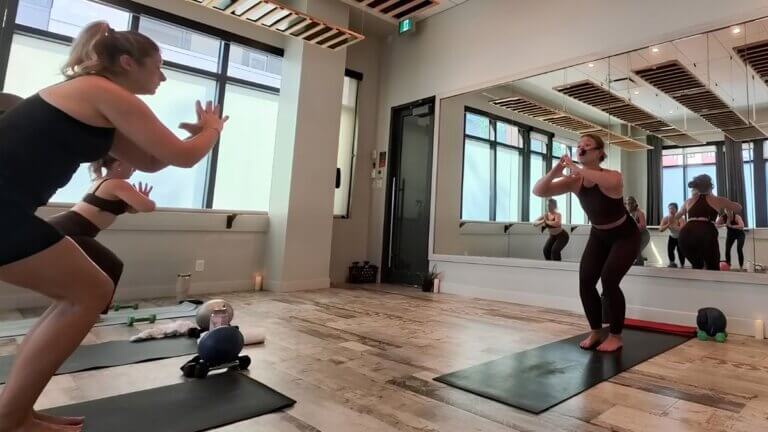
What Is Yoga Sculpt? What to Expect in Your First Class
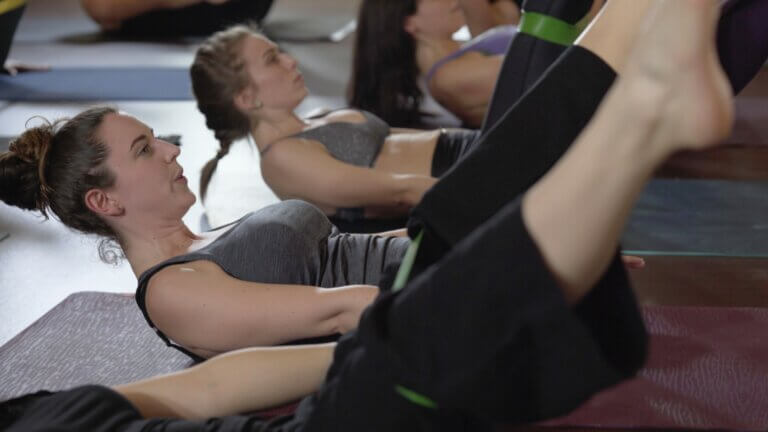
Yoga Sculpt combines yoga-based movement with strength training and, in many classes, cardio. Here’s what to expect in your first class, including weights, intensity, equipment, benefits and how to get started.
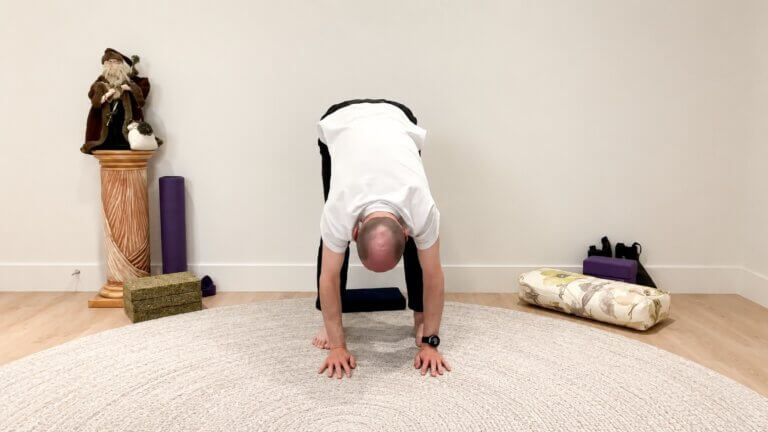
Dangling Pose in Yin Yoga: Standing Forward Fold Guide
Dangling Pose is a standing Yin Yoga forward fold where the knees soften and the upper body hangs with gravity. Unlike a more active Uttanasana, the goal is not to reach the floor or force the hamstrings. The pose is often used to release the lower back, explore the back
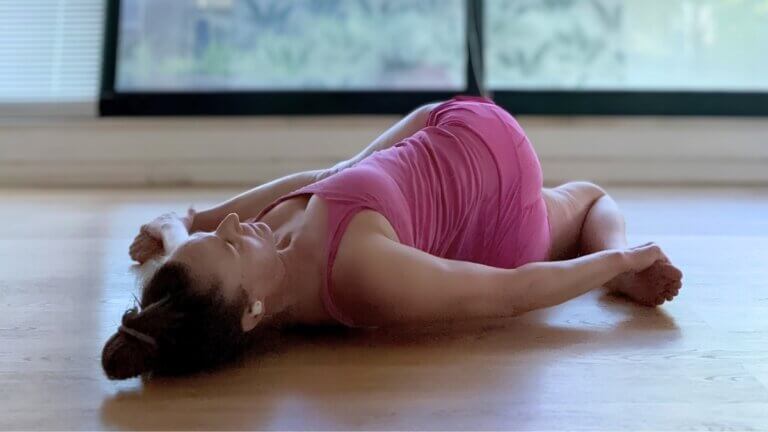
Cat Pulling Its Tail Yin Yoga Pose: Twist & Thigh Stretch Guide
Cat Pulling Its Tail is a reclining Yin Yoga pose that combines a spinal twist with a stretch through the front thigh, hip, and side body. When practiced with one leg extended and the other bent behind the body, the pose may affect the quadriceps, hip flexors, spine, rib cage,
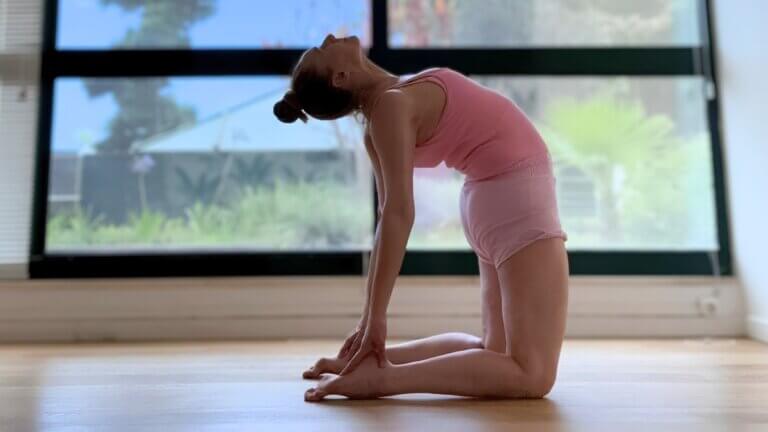
Camel Pose (Ustrasana): A Complete Yoga Pose Guide
Camel Pose is a kneeling backbend in which the thighs stay grounded while the spine moves into extension. In the full version of the pose, the hands may reach back toward the heels while the chest lifts and the front body opens.
The Sanskrit name is Ustrasana. “Ustra” means camel,
Yoga Business Roadmap: Business Plan for Yoga Teachers
Most Yoga teachers do not start teaching Yoga because they love business planning.
They start because they love Yoga. They love sharing the practice. They love watching students breathe a little deeper, move with more awareness, or leave class feeling better than when they arrived.
And then, at some point,